
Anti-Bullying Assembly Speaker in Albuquerque, New Mexico
Albuquerque schools can plan a bullying-prevention assembly with clear language, student belonging, bystander options and trusted-adult support.
Albuquerque schools can make prevention messages easier to use by choosing language students can remember under stress. Long definitions and abstract slogans are less helpful than short phrases tied to clear support pathways.
Schools in Albuquerque looking for an anti-bullying assembly speaker should evaluate more than stage presence. The program should fit the developmental level of the audience, reinforce safe bystander choices and connect students to the school's own reporting and support procedures.
Use memorable language with a defined next step
Phrases such as support, save, share with an adult can be easier to remember than a long policy explanation. Whatever language a school chooses, it should connect directly to what students can do when they witness or experience harmful behavior.
Make examples inclusive and broadly recognizable
Examples should reflect different student experiences without stereotyping groups or naming real incidents. Albuquerque schools can use scenarios involving exclusion, repeated teasing, group chats and rumor sharing because they are broad enough for students to apply across contexts.
Close the loop with school-specific support
The final message should name where students can go in that building. A memorable phrase has limited value if students still do not know how to reach a counselor, administrator or trusted teacher. Connect the speaker's language to the school's actual support structure.
Three Priorities for Albuquerque School Leaders
Use clear, memorable language
Connect language to support pathways
Center inclusion and belonging
How to Prepare Before Assembly Day
Confirm grade groups, room setup, accessibility, supervision and presentation technology before the speaker arrives. More importantly, brief staff on the school's reporting procedure and decide which adults will be available if the presentation leads students to ask questions or disclose concerns.
The school should also decide how it will reinforce the message during the following week. Use short phrases students can remember, then connect those phrases to school-specific support options.
A Practical 30-Day Follow-Up Plan
Within 48 hours: give teachers a short discussion prompt and remind students how to seek private help.
During week one: revisit use clear, memorable language.
During weeks two and three: reinforce connect language to support pathways through classrooms, counseling or student leadership as appropriate.
By day 30: check whether students can identify trusted adults, describe safe bystander options and explain the school's reporting pathway.
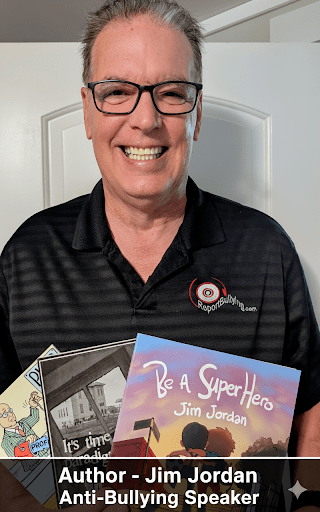
Featured Anti-Bullying Speaker
Jim Jordan — Bullying Prevention & Mental Health Speaker
Jim Jordan specializes in anti-bullying school assemblies for U.S. schools, with age-specific student programs plus teacher training and parent presentations. Schools in Albuquerque can compare programs and contact ReportBullying.com about current pricing and availability.
Jim Jordan is a bullying-prevention and mental-health speaker for U.S. schools, with separate presentations by grade band plus teacher training and parent education options.
Questions Albuquerque Schools Often Ask
What makes anti-bullying language student-friendly?
Short, concrete phrases and examples are easier to remember than abstract terminology.
Should schools customize the closing message?
Yes. School staff can use the closing minutes to remind students of local trusted adults and reporting options.