
Anti-Bullying Assembly Speaker in Baltimore, Maryland
Plan a Baltimore anti-bullying school assembly with student safety, bystander action, reporting procedures and coordinated follow-up.

Baltimore schools can build reporting confidence by making the adult response predictable. Students may be more willing to speak up when they understand what happens after the first conversation.
Schools in Baltimore looking for an anti-bullying assembly speaker should evaluate more than stage presence. The program should fit the developmental level of the audience, reinforce safe bystander choices and connect students to the school's own reporting and support procedures.
Explain the process without promising the outcome
Students should know that adults will listen, assess safety and follow school procedures. They should not be promised that every situation will be solved immediately or that information can always remain completely private. Clear expectations build trust without creating guarantees staff cannot keep.
Ask for facts before conclusions
When students report a concern, adults can ask what happened, when, where, who was present and whether the behavior is continuing. Baltimore schools can reinforce that students do not need to diagnose the situation or prove a label before asking for help.
Monitor for retaliation after a report
Speaking up can create new social pressure. Follow-up should include checking whether the student feels safe and whether online or in-person retaliation has occurred. An assembly can normalize this follow-up by explaining that reporting is a process, not a single moment.
Three Priorities for Baltimore School Leaders
Explain the reporting process
Prioritize student safety
Coordinate adult response
How to Prepare Before Assembly Day
Confirm grade groups, room setup, accessibility, supervision and presentation technology before the speaker arrives. More importantly, brief staff on the school's reporting procedure and decide which adults will be available if the presentation leads students to ask questions or disclose concerns.
The school should also decide how it will reinforce the message during the following week. Make the reporting process predictable and avoid asking students to solve serious peer problems on their own.
A Practical 30-Day Follow-Up Plan
Within 48 hours: give teachers a short discussion prompt and remind students how to seek private help.
During week one: revisit explain the reporting process.
During weeks two and three: reinforce prioritize student safety through classrooms, counseling or student leadership as appropriate.
By day 30: check whether students can identify trusted adults, describe safe bystander options and explain the school's reporting pathway.
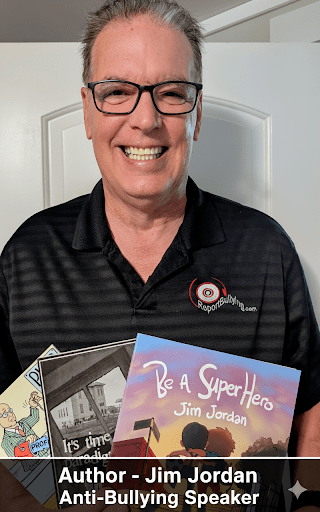
Featured Anti-Bullying Speaker
Jim Jordan — Bullying Prevention & Mental Health Speaker
Jim Jordan specializes in anti-bullying school assemblies for U.S. schools, with age-specific student programs plus teacher training and parent presentations. Schools in Baltimore can compare programs and contact ReportBullying.com about current pricing and availability.
Jim Jordan is a bullying-prevention and mental-health speaker for U.S. schools, with separate presentations by grade band plus teacher training and parent education options.
Questions Baltimore Schools Often Ask
Why should schools explain what happens after a report?
Predictability can reduce uncertainty and help students understand that adults have a process for responding.
Should an assembly promise that bullying will stop immediately?
No. Schools should avoid unrealistic promises and instead explain how concerns are reported, reviewed and followed up according to policy.