
Anti-Bullying Assembly Speaker in Denver, Colorado
A Denver anti-bullying school assembly guide covering bystander action, school climate, staff readiness and measurable follow-up.

Denver schools can use assembly day as the start of a defined 30-day follow-up cycle. Planning the reinforcement before the event makes it far more likely that students hear the same message after the initial excitement fades.
Schools in Denver looking for an anti-bullying assembly speaker should evaluate more than stage presence. The program should fit the developmental level of the audience, reinforce safe bystander choices and connect students to the school's own reporting and support procedures.
Plan the first 48 hours before you plan the stage
Decide what teachers will discuss the next day, which counselors will be available and how students will be reminded of reporting options. This work is as important as microphones and seating. Immediate follow-up helps students process what they heard while the examples are still fresh.
Use week one to test understanding
A short exit question or advisory discussion can reveal whether students remember safe bystander actions and trusted-adult options. Denver schools can use that information to identify what needs more explanation. The purpose is not to score students; it is to see whether the practical message landed.
Use the first month to reinforce school climate
Announcements, classroom prompts, student leadership activities and counseling resources can all carry one or two core ideas from the assembly. At the end of the month, staff can review whether reporting pathways are clear and whether supervision or communication needs adjustment in specific school settings.
Three Priorities for Denver School Leaders
Plan follow-up before assembly day
Use short feedback checks
Reinforce reporting confidence
How to Prepare Before Assembly Day
Confirm grade groups, room setup, accessibility, supervision and presentation technology before the speaker arrives. More importantly, brief staff on the school's reporting procedure and decide which adults will be available if the presentation leads students to ask questions or disclose concerns.
The school should also decide how it will reinforce the message during the following week. Plan what happens 24 hours, one week and one month after the presentation before the speaker arrives.
A Practical 30-Day Follow-Up Plan
Within 48 hours: give teachers a short discussion prompt and remind students how to seek private help.
During week one: revisit plan follow-up before assembly day.
During weeks two and three: reinforce use short feedback checks through classrooms, counseling or student leadership as appropriate.
By day 30: check whether students can identify trusted adults, describe safe bystander options and explain the school's reporting pathway.
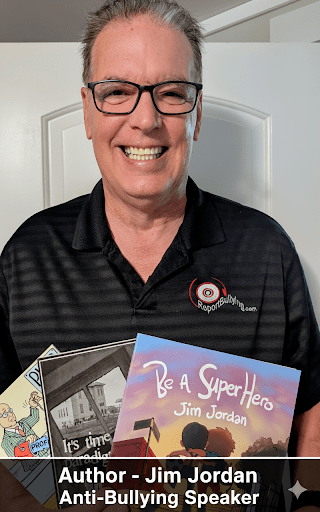
Featured Anti-Bullying Speaker
Jim Jordan — Bullying Prevention & Mental Health Speaker
Jim Jordan specializes in anti-bullying school assemblies for U.S. schools, with age-specific student programs plus teacher training and parent presentations. Schools in Denver can compare programs and contact ReportBullying.com about current pricing and availability.
Jim Jordan is a bullying-prevention and mental-health speaker for U.S. schools, with separate presentations by grade band plus teacher training and parent education options.
Questions Denver Schools Often Ask
How soon should schools follow up after an anti-bullying assembly?
A brief discussion within a day or two helps students process the message, with additional reinforcement over the following weeks.
What should schools measure?
Useful indicators include whether students can identify trusted adults, understand reporting options and remember safe bystander actions.