
Anti-Bullying Assembly Speaker in Indianapolis, Indiana
Plan an anti-bullying assembly in Indianapolis with practical bystander strategies, student reporting, staff preparation and post-event reinforcement.
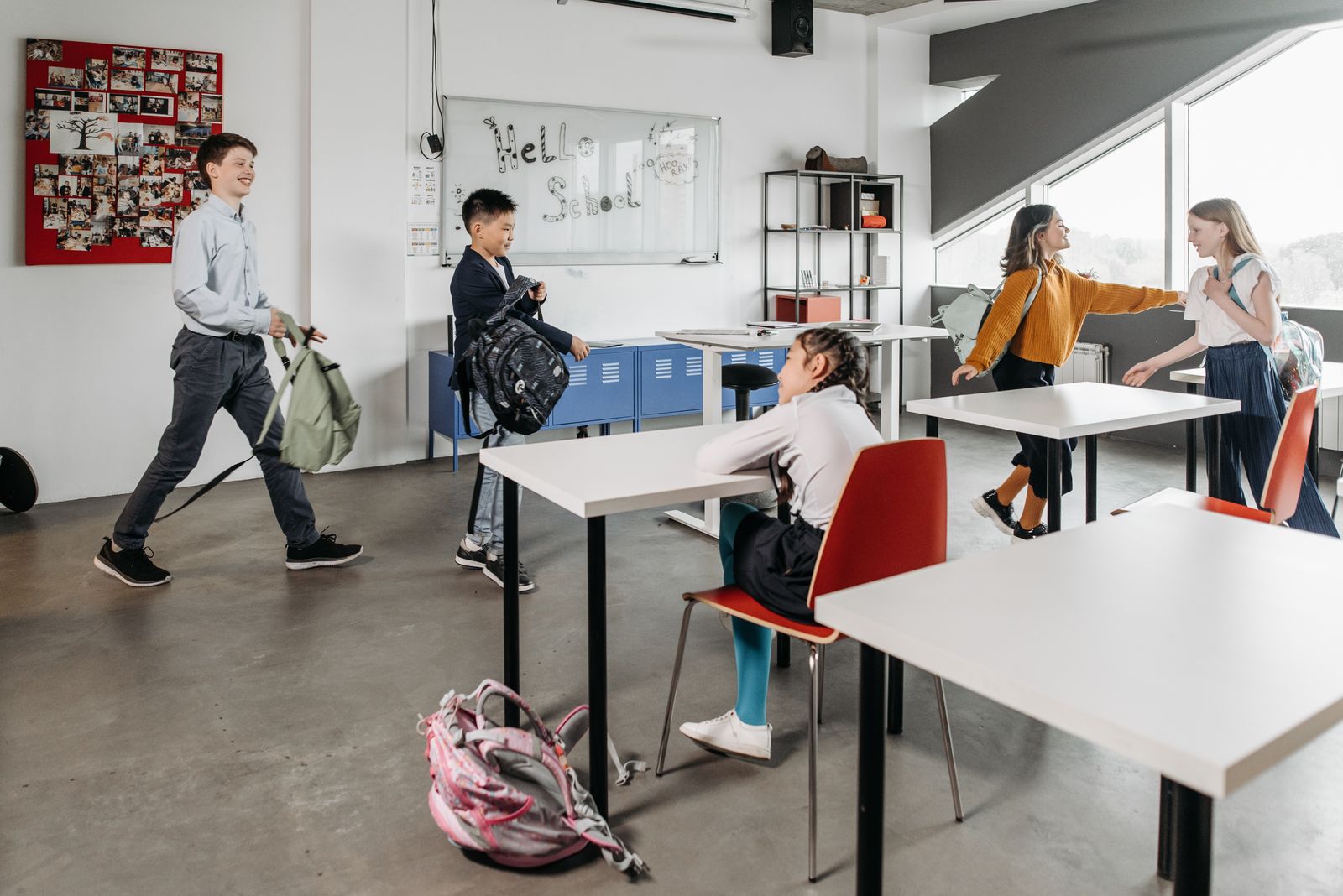
Indianapolis schools can make bystander education more useful by teaching several safe choices instead of a single command to intervene. Students differ in confidence, age and risk, and a good program respects those differences.
Schools in Indianapolis looking for an anti-bullying assembly speaker should evaluate more than stage presence. The program should fit the developmental level of the audience, reinforce safe bystander choices and connect students to the school's own reporting and support procedures.
Replace 'be brave' with practical options
Courage is easier to act on when students know what it can look like. A witness might get a teacher, sit with the targeted student later, refuse to share a humiliating post or leave a group encouraging harassment. Each option reduces participation in harm without requiring the student to become the enforcer.
Teach when not to confront
If there is a threat, physical aggression, a power imbalance or uncertainty about safety, direct confrontation may be the wrong choice. Indianapolis schools should explicitly tell students that getting adult help is a valid and often preferred response. Prevention messaging should never make a student feel responsible for handling a dangerous situation alone.
Practice the language students can use to report
Some students know they should tell but do not know how to begin. Classroom follow-up can practice simple language such as, 'I need to tell you about something that keeps happening,' or 'I'm worried about what is happening to my friend.' Giving students words can lower the barrier to asking for help.
Three Priorities for Indianapolis School Leaders
Teach multiple safe bystander options
Avoid one-size-fits-all intervention
Follow up in advisory or homeroom
How to Prepare Before Assembly Day
Confirm grade groups, room setup, accessibility, supervision and presentation technology before the speaker arrives. More importantly, brief staff on the school's reporting procedure and decide which adults will be available if the presentation leads students to ask questions or disclose concerns.
The school should also decide how it will reinforce the message during the following week. Give students a menu of safe actions: support the targeted student, get an adult, document or report appropriately, and avoid joining the harmful behavior.
A Practical 30-Day Follow-Up Plan
Within 48 hours: give teachers a short discussion prompt and remind students how to seek private help.
During week one: revisit teach multiple safe bystander options.
During weeks two and three: reinforce avoid one-size-fits-all intervention through classrooms, counseling or student leadership as appropriate.
By day 30: check whether students can identify trusted adults, describe safe bystander options and explain the school's reporting pathway.
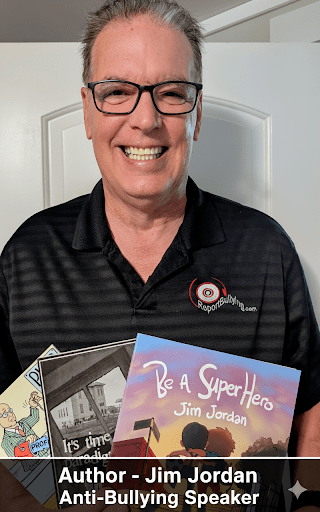
Featured Anti-Bullying Speaker
Jim Jordan — Bullying Prevention & Mental Health Speaker
Jim Jordan specializes in anti-bullying school assemblies for U.S. schools, with age-specific student programs plus teacher training and parent presentations. Schools in Indianapolis can compare programs and contact ReportBullying.com about current pricing and availability.
Jim Jordan is a bullying-prevention and mental-health speaker for U.S. schools, with separate presentations by grade band plus teacher training and parent education options.
Questions Indianapolis Schools Often Ask
What should bystanders do when they see bullying?
Safe options can include getting an adult, supporting the targeted student, refusing to participate and reporting the behavior through school channels.
Is direct confrontation always recommended?
No. Safety comes first, and students should have options that do not require direct confrontation.