
Anti-Bullying Assembly Speaker in Miami, Florida
Miami schools can plan an anti-bullying assembly with inclusive communication, digital citizenship, bystander strategies and family engagement.
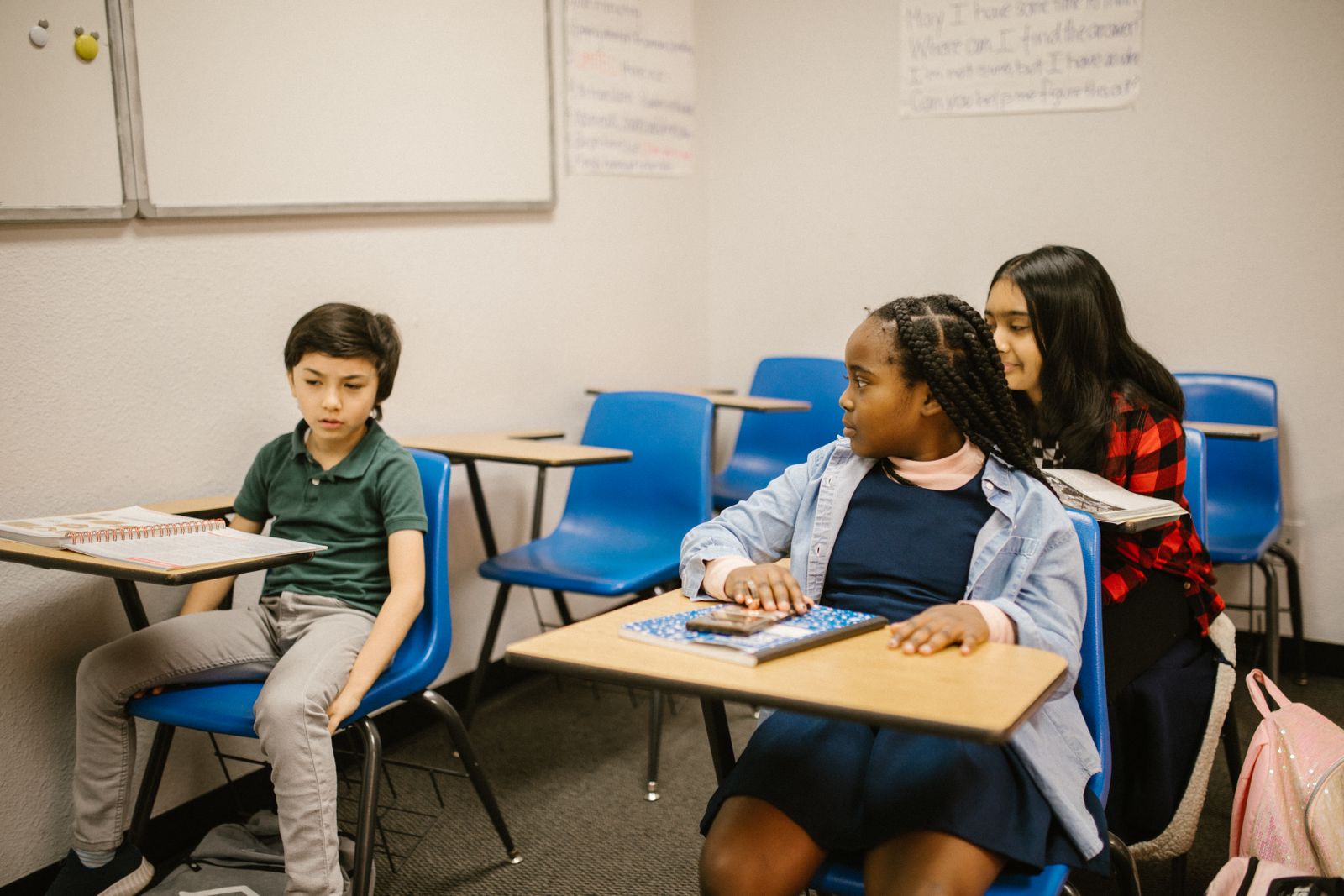
Miami schools can strengthen an anti-bullying assembly by pairing inclusive student communication with clear family follow-up. The school message should be understandable across a diverse community and focused on practical support.
Schools in Miami looking for an anti-bullying assembly speaker should evaluate more than stage presence. The program should fit the developmental level of the audience, reinforce safe bystander choices and connect students to the school's own reporting and support procedures.
Write family communication for clarity
A short recap should explain the purpose of the assembly, the main student actions and the school contact pathway. Avoid jargon, vague promises and detailed retellings of sensitive examples. Families need to know what students heard and where to go with concerns.
Help caregivers document online concerns constructively
When a child reports cyberbullying, families can save relevant screenshots, dates, usernames and links without redistributing the content. Miami schools can encourage caregivers to use established channels rather than escalating the situation publicly or contacting other students directly.
Use home conversations to reinforce trusted adults
Families can ask which adults at school a student would feel comfortable approaching and what might make reporting difficult. Those conversations can reveal barriers without turning parents into investigators. The school can then help students navigate the actual reporting process.
Three Priorities for Miami School Leaders
Use accessible family communication
Address digital peer behavior
Keep reporting pathways clear
How to Prepare Before Assembly Day
Confirm grade groups, room setup, accessibility, supervision and presentation technology before the speaker arrives. More importantly, brief staff on the school's reporting procedure and decide which adults will be available if the presentation leads students to ask questions or disclose concerns.
The school should also decide how it will reinforce the message during the following week. Plan family communication alongside the student presentation so the same themes continue at home.
A Practical 30-Day Follow-Up Plan
Within 48 hours: give teachers a short discussion prompt and remind students how to seek private help.
During week one: revisit use accessible family communication.
During weeks two and three: reinforce address digital peer behavior through classrooms, counseling or student leadership as appropriate.
By day 30: check whether students can identify trusted adults, describe safe bystander options and explain the school's reporting pathway.
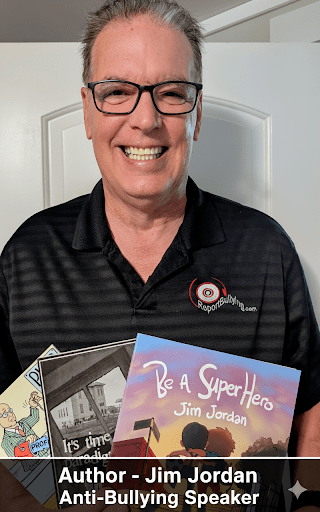
Featured Anti-Bullying Speaker
Jim Jordan — Bullying Prevention & Mental Health Speaker
Jim Jordan specializes in anti-bullying school assemblies for U.S. schools, with age-specific student programs plus teacher training and parent presentations. Schools in Miami can compare programs and contact ReportBullying.com about current pricing and availability.
Jim Jordan is a bullying-prevention and mental-health speaker for U.S. schools, with separate presentations by grade band plus teacher training and parent education options.
Questions Miami Schools Often Ask
How can families support bullying prevention after an assembly?
Families can ask open-ended questions, listen carefully, save relevant online evidence and contact the school through appropriate channels when concerns arise.
What should schools avoid in family messaging?
Avoid overpromising outcomes or discussing individual student situations publicly.