
Anti-Bullying Assembly Speaker in New Orleans, Louisiana
New Orleans schools can plan an anti-bullying assembly around belonging, peer support, storytelling and practical student action.

New Orleans schools can use storytelling to make anti-bullying ideas memorable while ensuring that emotion leads to safe, practical action rather than simply leaving students stirred up.
Schools in New Orleans looking for an anti-bullying assembly speaker should evaluate more than stage presence. The program should fit the developmental level of the audience, reinforce safe bystander choices and connect students to the school's own reporting and support procedures.
Choose stories that illuminate choices
The most useful story shows a decision point: a witness chooses whether to join in, a student decides whether to ask for help or a peer chooses to support someone who is isolated. The story matters because it helps students imagine their own next step.
Avoid sensationalizing harm
A prevention assembly should not rely on graphic, frightening or humiliating details to hold attention. New Orleans schools can look for presentations that respect student maturity while keeping the focus on safety, empathy and decisions students can actually make.
Follow the story with reflection
Teachers can ask what choice changed the direction of the story and what alternatives were available. This allows students to process the message without requiring anyone to share a personal experience in public.
Three Priorities for New Orleans School Leaders
Connect stories to student choices
Promote peer support
Keep help-seeking clear
How to Prepare Before Assembly Day
Confirm grade groups, room setup, accessibility, supervision and presentation technology before the speaker arrives. More importantly, brief staff on the school's reporting procedure and decide which adults will be available if the presentation leads students to ask questions or disclose concerns.
The school should also decide how it will reinforce the message during the following week. Use stories as a bridge to action, then ask students to identify the choices they would make in a similar situation.
A Practical 30-Day Follow-Up Plan
Within 48 hours: give teachers a short discussion prompt and remind students how to seek private help.
During week one: revisit connect stories to student choices.
During weeks two and three: reinforce promote peer support through classrooms, counseling or student leadership as appropriate.
By day 30: check whether students can identify trusted adults, describe safe bystander options and explain the school's reporting pathway.
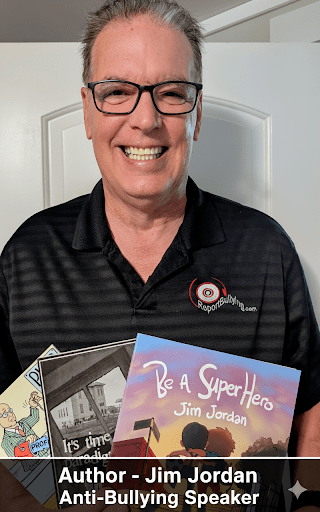
Featured Anti-Bullying Speaker
Jim Jordan — Bullying Prevention & Mental Health Speaker
Jim Jordan specializes in anti-bullying school assemblies for U.S. schools, with age-specific student programs plus teacher training and parent presentations. Schools in New Orleans can compare programs and contact ReportBullying.com about current pricing and availability.
Jim Jordan is a bullying-prevention and mental-health speaker for U.S. schools, with separate presentations by grade band plus teacher training and parent education options.
Questions New Orleans Schools Often Ask
Why use storytelling in an anti-bullying assembly?
Stories can make abstract ideas easier to remember when they are tied to practical actions and do not sensationalize harm.
What should happen after a powerful story?
Students should be given clear, safe actions they can take rather than being left only with an emotional reaction.