
Anti-Bullying Assembly Speaker in Philadelphia, Pennsylvania
Plan an anti-bullying assembly for Philadelphia schools with practical student actions, staff alignment, parent communication and sustained follow-up.

Philadelphia schools should judge an anti-bullying assembly by what happens after the students leave the room. A memorable presentation is useful when its main ideas become repeatable expectations in classrooms, common areas, transportation and digital communication.
Schools in Philadelphia looking for an anti-bullying assembly speaker should evaluate more than stage presence. The program should fit the developmental level of the audience, reinforce safe bystander choices and connect students to the school's own reporting and support procedures.
Choose three or four actions worth repeating
Students are unlikely to remember a long list of rules from a single event. A better approach is to identify a few high-value actions: do not join harmful behavior, support the student being targeted, get a trusted adult and use the school's reporting process. These can be repeated by teachers and families without needing to recreate the entire presentation.
Bring families into the follow-up without oversharing
A short caregiver message can explain the assembly themes and provide conversation starters. It should not discuss individual students or promise that an assembly will eliminate bullying. Instead, give families a clear school contact and encourage open-ended questions such as what students learned about supporting a peer or asking an adult for help.
Reinforce the message in the places students actually interact
Bullying-prevention expectations should not disappear outside class. Philadelphia schools can ask staff supervising lunch, transitions, buses, athletics and activities to use the same language. Consistency helps students understand that respectful behavior and reporting expectations travel with them throughout the school day.
Three Priorities for Philadelphia School Leaders
Keep student actions memorable
Reinforce expectations across settings
Include parents in follow-up
How to Prepare Before Assembly Day
Confirm grade groups, room setup, accessibility, supervision and presentation technology before the speaker arrives. More importantly, brief staff on the school's reporting procedure and decide which adults will be available if the presentation leads students to ask questions or disclose concerns.
The school should also decide how it will reinforce the message during the following week. Choose three or four memorable student actions and repeat them across staff communication, classroom discussion and parent messaging.
A Practical 30-Day Follow-Up Plan
Within 48 hours: give teachers a short discussion prompt and remind students how to seek private help.
During week one: revisit keep student actions memorable.
During weeks two and three: reinforce reinforce expectations across settings through classrooms, counseling or student leadership as appropriate.
By day 30: check whether students can identify trusted adults, describe safe bystander options and explain the school's reporting pathway.
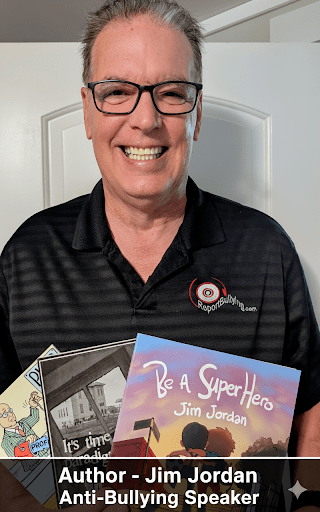
Featured Anti-Bullying Speaker
Jim Jordan — Bullying Prevention & Mental Health Speaker
Jim Jordan specializes in anti-bullying school assemblies for U.S. schools, with age-specific student programs plus teacher training and parent presentations. Schools in Philadelphia can compare programs and contact ReportBullying.com about current pricing and availability.
Jim Jordan is a bullying-prevention and mental-health speaker for U.S. schools, with separate presentations by grade band plus teacher training and parent education options.
Questions Philadelphia Schools Often Ask
How long should an anti-bullying school assembly be?
The right length depends on age, school schedule and program format. Engagement and age-appropriate pacing matter more than a single fixed duration.
Should parents receive information after the assembly?
A short parent message can help families understand the themes students heard and how to continue the conversation at home.