
Anti-Bullying Assembly Speaker in Raleigh, North Carolina
Raleigh schools can plan an anti-bullying assembly with grade-specific programming, digital citizenship, student reporting and schoolwide follow-up.
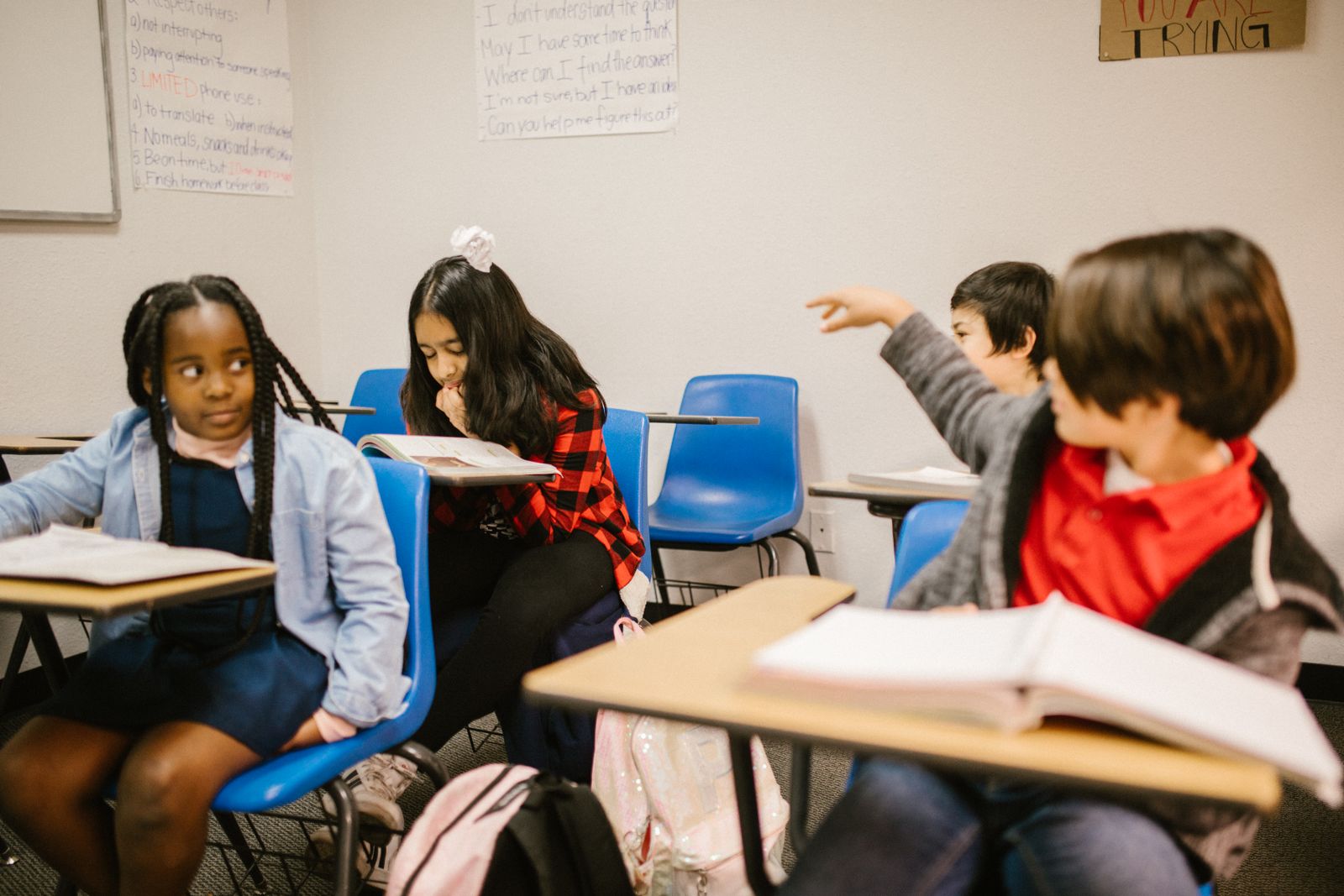
Raleigh schools can align grade-specific bullying prevention with responsible online behavior so students hear one coherent message about respect, reporting and peer support rather than separate talks that compete for attention.
Schools in Raleigh looking for an anti-bullying assembly speaker should evaluate more than stage presence. The program should fit the developmental level of the audience, reinforce safe bystander choices and connect students to the school's own reporting and support procedures.
Use digital examples that fit the age group
Elementary students may need guidance about messaging games or shared devices. Middle school students can discuss group chats and screenshots. High school students can consider public posting, retaliation and digital permanence. Raleigh schools can keep the same core expectations while changing the technology examples.
Protect privacy when discussing realistic scenarios
Examples should feel familiar without being traceable to a real student. Avoid naming platforms only because they are trendy if the underlying behavior can be taught more broadly. The focus should remain on decisions, evidence and support.
Connect online reporting with school reporting
Platform tools can remove content, but students also need to know when a peer issue should be brought to school adults. Explain that the two systems serve different purposes and can be used together when appropriate.
Three Priorities for Raleigh School Leaders
Use age-relevant examples
Connect online and offline expectations
Protect student privacy
How to Prepare Before Assembly Day
Confirm grade groups, room setup, accessibility, supervision and presentation technology before the speaker arrives. More importantly, brief staff on the school's reporting procedure and decide which adults will be available if the presentation leads students to ask questions or disclose concerns.
The school should also decide how it will reinforce the message during the following week. Build grade-band examples around the digital spaces and social situations most relevant to each age group without naming or exposing individual students.
A Practical 30-Day Follow-Up Plan
Within 48 hours: give teachers a short discussion prompt and remind students how to seek private help.
During week one: revisit use age-relevant examples.
During weeks two and three: reinforce connect online and offline expectations through classrooms, counseling or student leadership as appropriate.
By day 30: check whether students can identify trusted adults, describe safe bystander options and explain the school's reporting pathway.
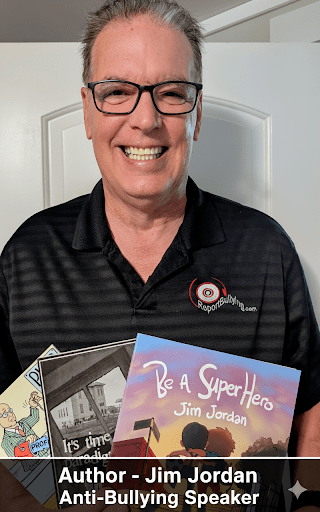
Featured Anti-Bullying Speaker
Jim Jordan — Bullying Prevention & Mental Health Speaker
Jim Jordan specializes in anti-bullying school assemblies for U.S. schools, with age-specific student programs plus teacher training and parent presentations. Schools in Raleigh can compare programs and contact ReportBullying.com about current pricing and availability.
Jim Jordan is a bullying-prevention and mental-health speaker for U.S. schools, with separate presentations by grade band plus teacher training and parent education options.
Questions Raleigh Schools Often Ask
Should speakers use real student incidents as examples?
No. Schools should protect privacy and use hypothetical or generalized examples instead.
How can digital citizenship support bullying prevention?
It reinforces responsible communication, evidence preservation, platform reporting and the decision not to amplify harmful content.