
Anti-Bullying Assembly Speaker in Sacramento, California
Sacramento schools can use this anti-bullying assembly guide to align student voice, bystander action, digital citizenship and staff follow-up.
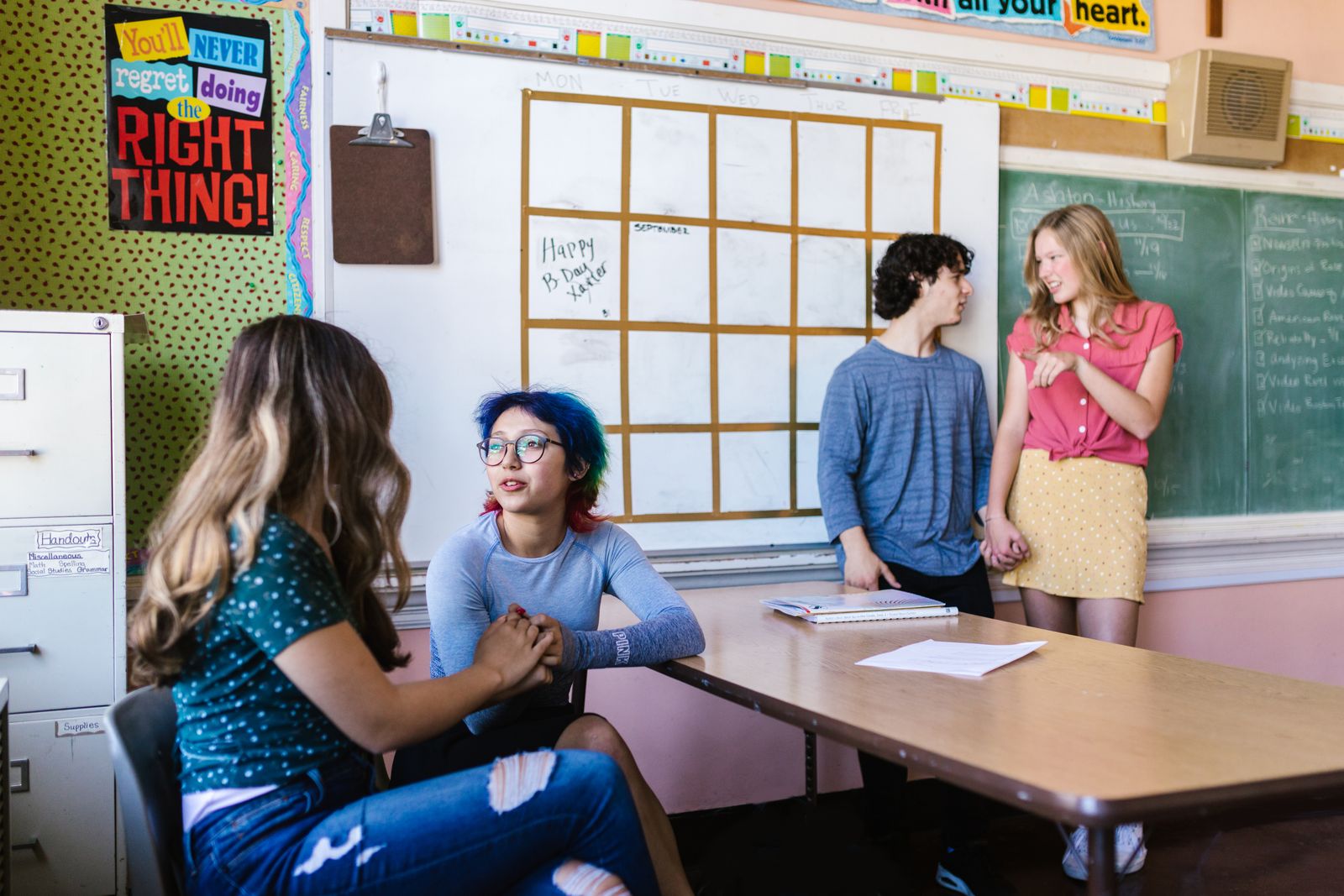
Sacramento schools can use anonymous student feedback to identify broad prevention themes without turning a public assembly into an investigation of individual incidents. Student voice is valuable when it is handled with privacy and clear boundaries.
Schools in Sacramento looking for an anti-bullying assembly speaker should evaluate more than stage presence. The program should fit the developmental level of the audience, reinforce safe bystander choices and connect students to the school's own reporting and support procedures.
Collect patterns, not case files
Pre-event surveys can ask what makes it difficult to speak up, where students see exclusion or what online behaviors create pressure. Avoid asking for names in a general survey. If a response contains a safety concern, move it into the school's confidential reporting process rather than discussing it publicly.
Let themes shape examples
If students frequently mention group chats or hallway exclusion, the speaker and school can use hypothetical examples in those areas. That makes the presentation relevant without exposing anyone. Sacramento schools can also use the same themes to plan follow-up lessons.
Report back on what the school is reinforcing
Students are more likely to see feedback as meaningful when adults explain what will happen next. After the assembly, schools can summarize broad themes and the prevention steps being reinforced, while protecting individual privacy.
Three Priorities for Sacramento School Leaders
Use student feedback safely
Separate themes from individual reports
Reinforce schoolwide systems
How to Prepare Before Assembly Day
Confirm grade groups, room setup, accessibility, supervision and presentation technology before the speaker arrives. More importantly, brief staff on the school's reporting procedure and decide which adults will be available if the presentation leads students to ask questions or disclose concerns.
The school should also decide how it will reinforce the message during the following week. Collect anonymous climate questions for themes, not for public investigation of individual incidents.
A Practical 30-Day Follow-Up Plan
Within 48 hours: give teachers a short discussion prompt and remind students how to seek private help.
During week one: revisit use student feedback safely.
During weeks two and three: reinforce separate themes from individual reports through classrooms, counseling or student leadership as appropriate.
By day 30: check whether students can identify trusted adults, describe safe bystander options and explain the school's reporting pathway.
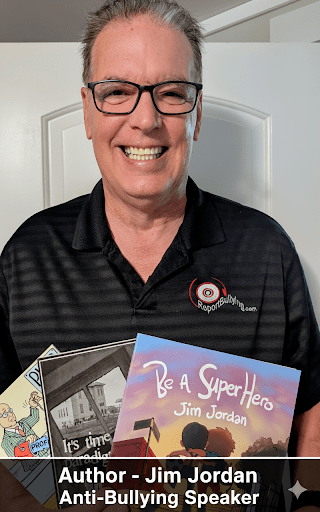
Featured Anti-Bullying Speaker
Jim Jordan — Bullying Prevention & Mental Health Speaker
Jim Jordan specializes in anti-bullying school assemblies for U.S. schools, with age-specific student programs plus teacher training and parent presentations. Schools in Sacramento can compare programs and contact ReportBullying.com about current pricing and availability.
Jim Jordan is a bullying-prevention and mental-health speaker for U.S. schools, with separate presentations by grade band plus teacher training and parent education options.
Questions Sacramento Schools Often Ask
Can anonymous student feedback help plan an assembly?
Yes, it can reveal broad themes, but individual safety concerns still need a confidential school reporting process.
Should a speaker address specific student incidents publicly?
No. Individual incidents should be handled privately through school procedures rather than discussed in an assembly.