
Anti-Bullying Assembly Speaker in Tucson, Arizona
A Tucson anti-bullying assembly guide focused on safe bystander action, school climate, reporting and classroom follow-up.
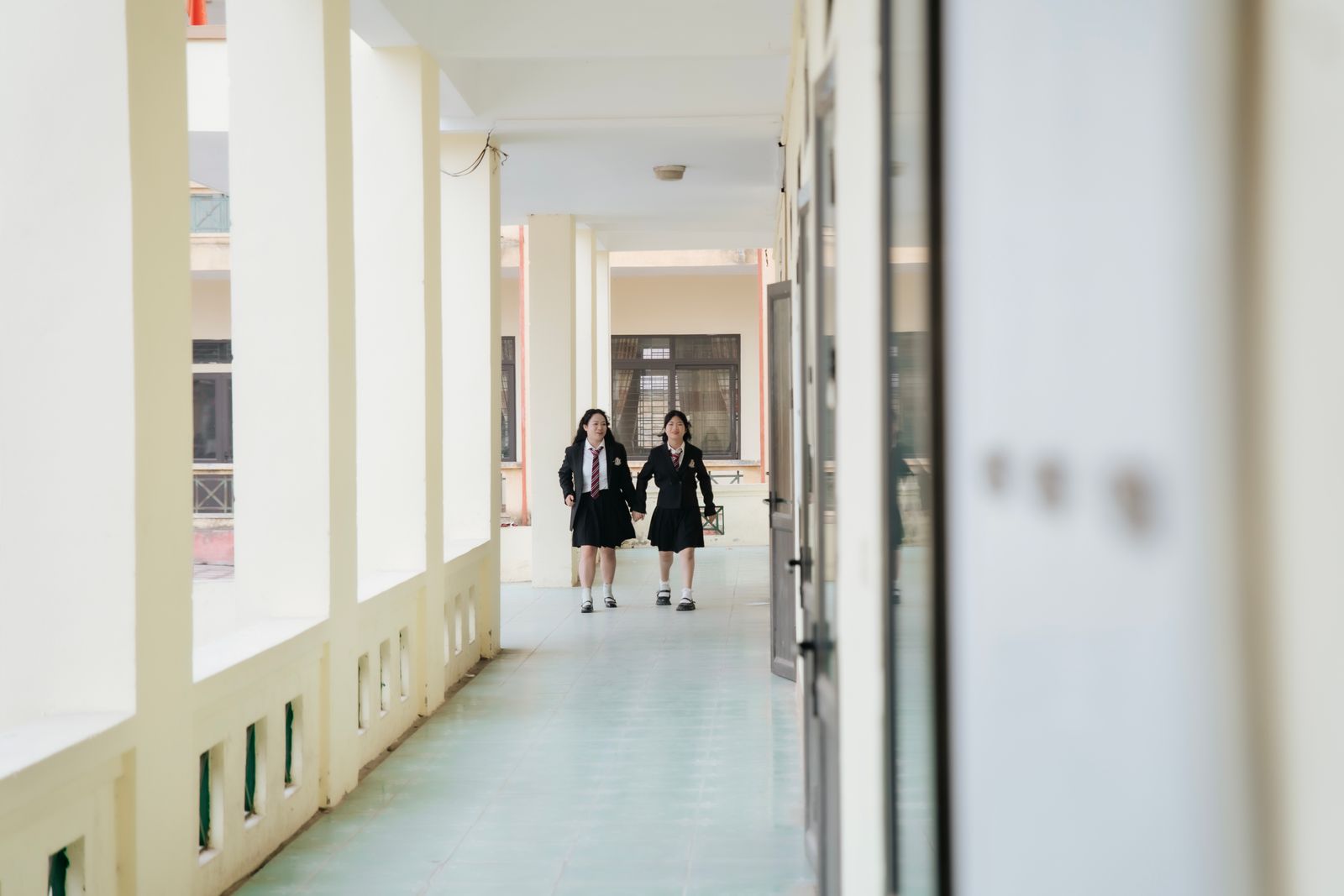
Tucson schools can use short post-assembly scenarios to help students practice safe bystander decisions. Practice matters because real situations often unfold faster than students expect.
Schools in Tucson looking for an anti-bullying assembly speaker should evaluate more than stage presence. The program should fit the developmental level of the audience, reinforce safe bystander choices and connect students to the school's own reporting and support procedures.
Practice choices without reenacting trauma
A scenario can be simple: a group chat turns against one student, someone is repeatedly excluded at lunch or a rumor spreads between classes. Ask students what a witness could do. Avoid recreating actual incidents or asking students to perform the role of a victim in front of classmates.
Teach that safety changes the response
Directly speaking up may be appropriate in some low-risk situations, but not when there is a threat, aggression or serious power imbalance. Tucson schools should explicitly teach that getting an adult is an active response, not a lesser one.
Give private reporting options for students who fear social consequences
Some students worry that peers will find out who reported. Schools should explain available private or anonymous options, if they exist, and be accurate about their limits. Students should know who can answer questions about confidentiality before they decide how to report.
Three Priorities for Tucson School Leaders
Teach safe options
Use short scenarios
Avoid pressuring students into confrontation
How to Prepare Before Assembly Day
Confirm grade groups, room setup, accessibility, supervision and presentation technology before the speaker arrives. More importantly, brief staff on the school's reporting procedure and decide which adults will be available if the presentation leads students to ask questions or disclose concerns.
The school should also decide how it will reinforce the message during the following week. Teach several safe bystander options and practice them through brief scenarios after the event.
A Practical 30-Day Follow-Up Plan
Within 48 hours: give teachers a short discussion prompt and remind students how to seek private help.
During week one: revisit teach safe options.
During weeks two and three: reinforce use short scenarios through classrooms, counseling or student leadership as appropriate.
By day 30: check whether students can identify trusted adults, describe safe bystander options and explain the school's reporting pathway.
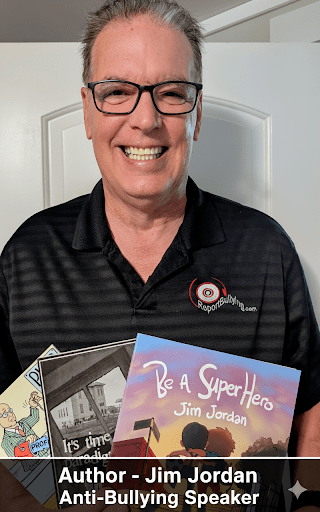
Featured Anti-Bullying Speaker
Jim Jordan — Bullying Prevention & Mental Health Speaker
Jim Jordan specializes in anti-bullying school assemblies for U.S. schools, with age-specific student programs plus teacher training and parent presentations. Schools in Tucson can compare programs and contact ReportBullying.com about current pricing and availability.
Jim Jordan is a bullying-prevention and mental-health speaker for U.S. schools, with separate presentations by grade band plus teacher training and parent education options.
Questions Tucson Schools Often Ask
Are role-play scenarios useful after an assembly?
Brief, carefully structured scenarios can help students practice identifying safe options without reenacting harmful incidents in detail.
What if a student is afraid to report?
Schools should make private reporting options and trusted-adult support easy to access and explain what the student can expect next.