
Bystander vs. Upstander: How Schools Can Teach Safe Student Action
Teach students safe upstander choices without pressuring them into confrontation. A practical school guide to bystanders, peer support, reporting and adult responsibility.
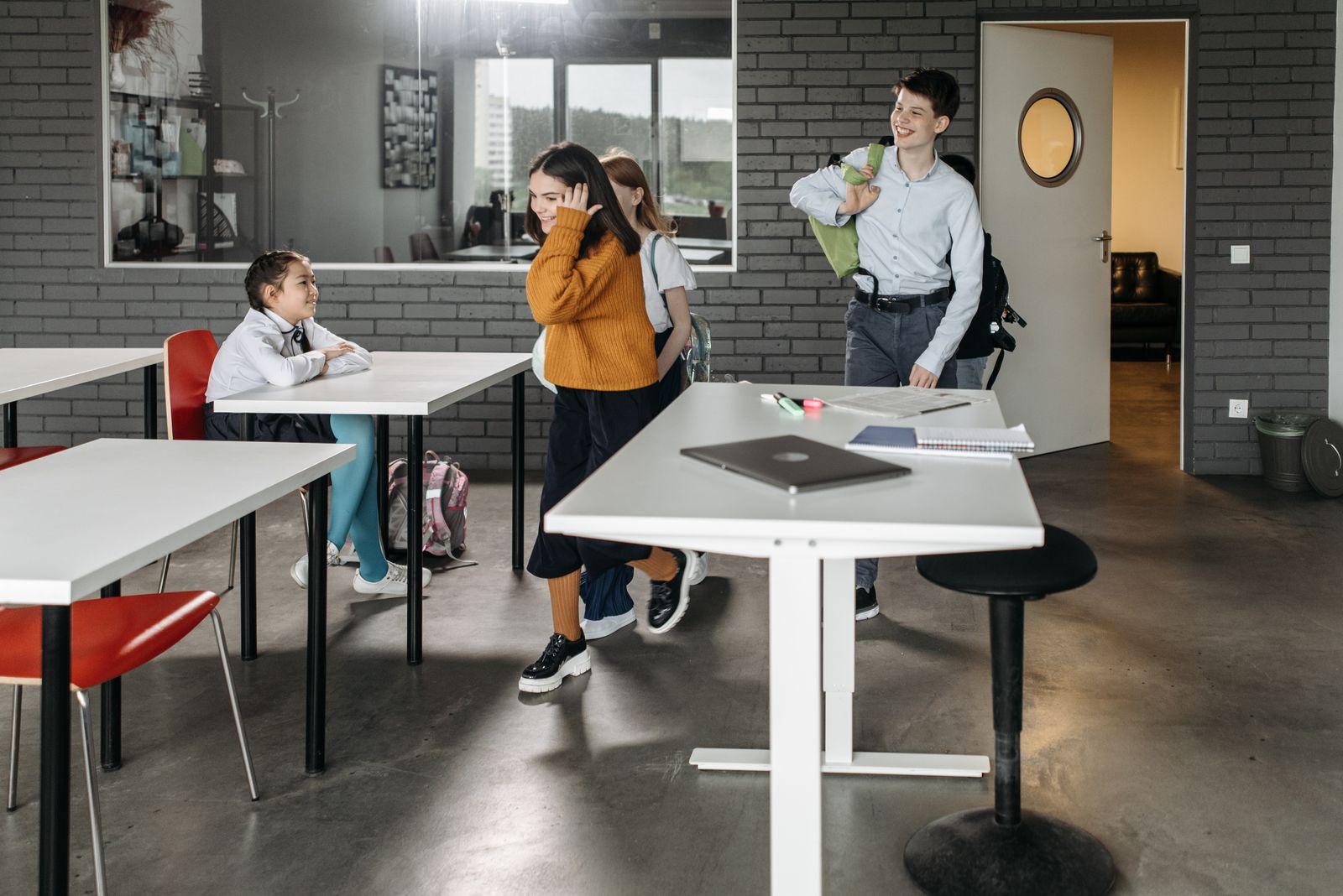
The word upstander is useful only when students understand that there is more than one way to help. Too often, schools unintentionally turn the idea into a courage test: a good student confronts the person causing harm, while a silent student has failed. Real situations are more complicated. A witness may be younger, physically smaller, socially vulnerable or genuinely unsure what happened. Safe bystander education gives students a menu of responsible choices and keeps adults accountable for the parts students cannot manage. The goal is not to create student enforcers. It is to reduce the audience around harmful behavior, increase peer support and make it easier for concerns to reach adults who can respond.
Define an upstander by the effect of the choice, not the volume
An upstander action reduces harm or connects someone with help. That might be a public statement, but it can also be quiet. A student can refuse to laugh, sit with someone afterward, leave a harmful chat, tell a teacher or help a friend reach a counselor.
This definition includes more students. It also avoids rewarding dramatic confrontation over safer judgment. The best choice depends on age, power, setting and risk.
Teach direct intervention as one option, not the default
There are situations where a calm verbal interruption may be appropriate, especially among peers when safety is not in question. Students can learn simple phrases such as, 'That's not funny,' or redirect attention away from the target. But schools should never imply that direct confrontation is required.
If there is a threat, physical aggression, a major power imbalance or fear of retaliation, getting adult help is often the safer response. Saying this explicitly protects students from feeling responsible for handling danger alone.
Make private peer support part of the lesson
A targeted student may feel isolated even after the incident ends. A witness can check in privately, invite the student to join a group, walk with them to an adult or simply say, 'I saw what happened and you didn't deserve that.' These actions can reduce isolation without escalating the conflict.
Students should not interrogate a peer or promise to keep dangerous information secret. Supporting someone means listening and helping them connect with appropriate adults when needed.
Include digital bystanders in every middle and high school discussion
Online, the audience may be larger than the original interaction. Reactions, reposts and comments can intensify humiliation. Students should learn that not sharing or reacting is an active choice, not passive indifference.
They can also use platform tools, save evidence appropriately and contact an adult. Arguing publicly with the person who posted harmful content may increase visibility, so students need alternatives that reduce rather than expand the audience.
Practice with scenarios where several answers can be right
Good bystander education does not teach one heroic response to every problem. Give students a fictional scenario and ask for two or three safe options. Then discuss what might change the best choice: age, location, physical risk, whether an adult is nearby or whether the situation is online.
This builds judgment rather than memorization. Students learn to ask, 'What can I do safely that reduces harm or gets help?' That question travels across many situations.
Keep adult responsibility visible
Students can influence peer culture, but they are not responsible for investigation, discipline or safety planning. Schools should say this clearly. Reporting is not passing the problem off; it is moving the concern to people with authority and training.
Adults then have to earn the confidence the assembly encourages. When students speak up, staff should listen calmly, follow procedures and explain next steps. Bystander education works only when students believe there is somewhere useful for the information to go.
Key Takeaways for Schools
Offer several safe ways to help
Do not require direct confrontation
Keep investigation and safety responsibility with adults
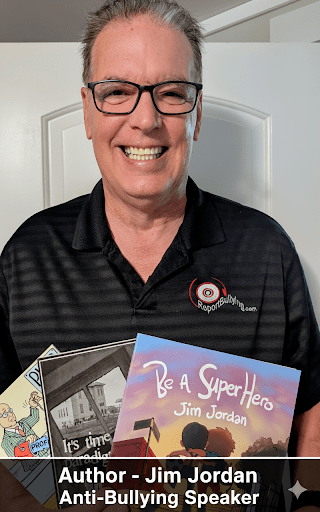
Featured Anti-Bullying Speaker
Jim Jordan — Bullying Prevention & Mental Health Speaker
Jim Jordan delivers grade-specific anti-bullying assemblies for U.S. schools, with teacher training and parent presentations available for a schoolwide approach. Schools can compare programs and contact the office to discuss audience fit, current pricing and availability.
Jim Jordan is a bullying-prevention and mental-health speaker for U.S. schools, with separate presentations by grade band plus teacher training and parent education options.
Frequently Asked Questions
What is the difference between a bystander and an upstander?
A bystander witnesses a situation. An upstander takes a safe action that reduces harm, supports the targeted student or connects the situation with adult help.
Should students confront someone who is bullying?
Not always. Direct intervention is only one option and may be unsafe. Getting an adult, supporting a peer or refusing to join can be better choices.
Can ignoring a harmful post be an upstander action?
Refusing to react or repost can reduce the audience, especially when combined with private peer support or reporting when needed.