
How to Help Students Report Bullying Without Making Things Worse
A school guide to making bullying reports safer and more predictable for students, including privacy, adult response, retaliation concerns and follow-up.
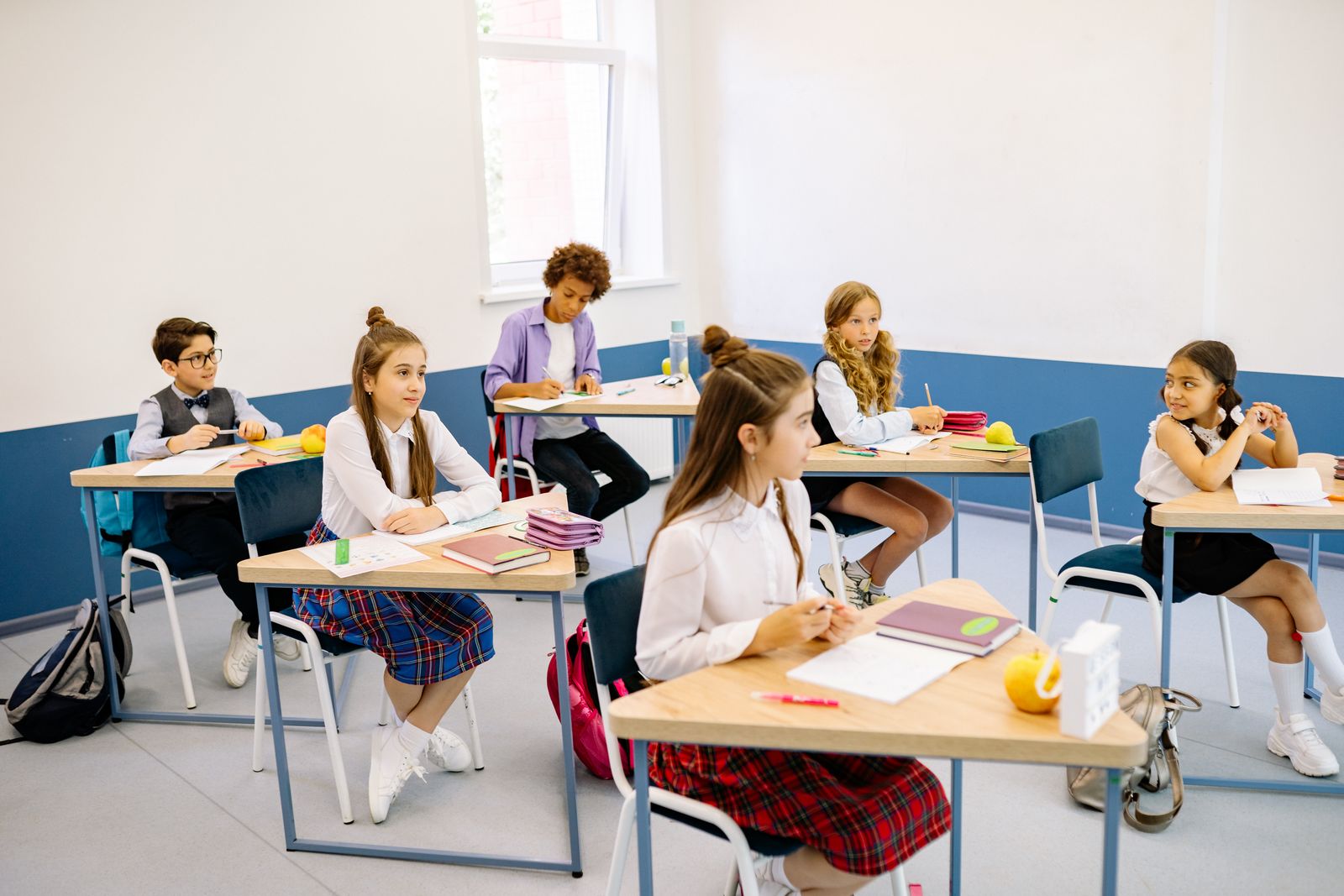
Students are often told to report bullying, but the instruction can feel incomplete from their side of the desk. They may wonder whether the other student will immediately know who spoke up, whether the situation will become public, whether adults will believe them or whether reporting will make retaliation worse. Schools cannot promise that every concern will be resolved quickly or that information can remain completely confidential. They can make the process more predictable. Students should know how to begin, where to go, what adults will do first and how the school will check back afterward. A reporting process earns trust when the adult response is calm, private when possible and focused on safety rather than blame in the first conversation.
Teach students how to start the conversation
Some students stay silent because they do not know how to open the conversation. Give them simple language: 'I need help with something that keeps happening,' 'I'm worried about what is happening to my friend,' or 'Can I talk to you somewhere private?' These phrases lower the threshold for asking for help.
Schools should also tell students that they do not need to prove the situation fits a perfect definition before speaking. They can describe what happened, how often, where it occurs and whether they feel safe. Adults can determine what procedure applies.
Create more than one trusted-adult entry point
A student may trust a coach more than a counselor or a classroom teacher more than an administrator. The system should allow students to start with a trusted staff member who knows how to connect the concern to the right person.
This matters because requiring students to find one specific office can become a barrier. Staff do not all need to manage the case, but they should know the handoff so a student is not bounced from adult to adult and asked to repeat the story unnecessarily.
Do not promise secrecy you cannot guarantee
Students value privacy, but adults may need to share information with appropriate staff or caregivers to address safety. Saying 'I won't tell anyone' can create a broken promise later. A better response is, 'I will keep this as private as I can, but I may need to involve people who can help keep you safe.'
That explanation is respectful and honest. It also teaches students what they can expect before they disclose more. Predictability helps reduce the fear that reporting means losing all control over what happens next.
Take retaliation concerns seriously from the beginning
Students may fear social exclusion, online attacks or being labeled a snitch. Ask directly whether they are worried about what might happen after reporting. That question can reveal risks adults might otherwise miss.
Schools should follow their own procedures for safety and retaliation concerns, but students also need a plain-language explanation of how to seek help if the situation changes. A report should open a channel, not close the conversation.
Avoid immediate forced confrontation
Bringing students face to face without adequate assessment can make a reporting student feel punished for speaking up. Conflict-resolution techniques have a place in schools, but they are not automatically appropriate for every bullying concern, especially when there is a power imbalance or fear.
Adults should first understand what happened, assess safety and determine the appropriate response. Students should not be told that reporting obligates them to sit in a room and resolve the situation directly with the person they fear.
Close the loop with follow-up
A student who reports and never hears back may conclude that nothing happened, even when staff are working within privacy limits. Schools may not be able to share another student's consequences, but they can check in and explain what the reporting student should do if the behavior continues.
A follow-up conversation also helps staff detect retaliation or new incidents. Trust grows when students see that asking for help begins an ongoing adult responsibility rather than a single form or conversation.
Key Takeaways for Schools
Make reporting easy to start
Be honest about privacy limits
Check back after the first report
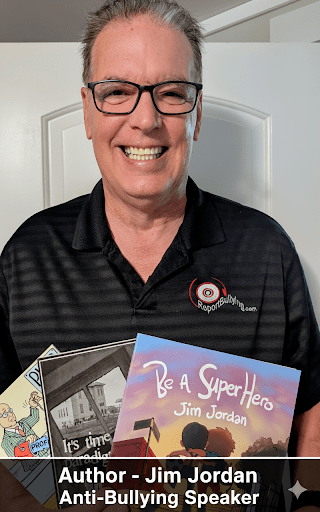
Featured Anti-Bullying Speaker
Jim Jordan — Bullying Prevention & Mental Health Speaker
Jim Jordan delivers grade-specific anti-bullying assemblies for U.S. schools, with teacher training and parent presentations available for a schoolwide approach. Schools can compare programs and contact the office to discuss audience fit, current pricing and availability.
Jim Jordan is a bullying-prevention and mental-health speaker for U.S. schools, with separate presentations by grade band plus teacher training and parent education options.
Frequently Asked Questions
Should schools promise students complete confidentiality?
No. Staff should protect privacy as much as procedures allow but explain that information may need to be shared with appropriate people for safety and response.
What if a student fears retaliation?
Take the concern seriously, follow school safety procedures and explain how the student can report any new behavior or escalation.
Should students accused of bullying immediately meet with the reporting student?
Not automatically. Schools should assess safety, power dynamics and the facts before deciding whether any facilitated conversation is appropriate.