
Kindergarten First Day: Age-Appropriate Bullying Prevention for Parents
Simple ways parents can prepare young children for kind behavior, boundaries, trusted adults and help-seeking on the first days of kindergarten.
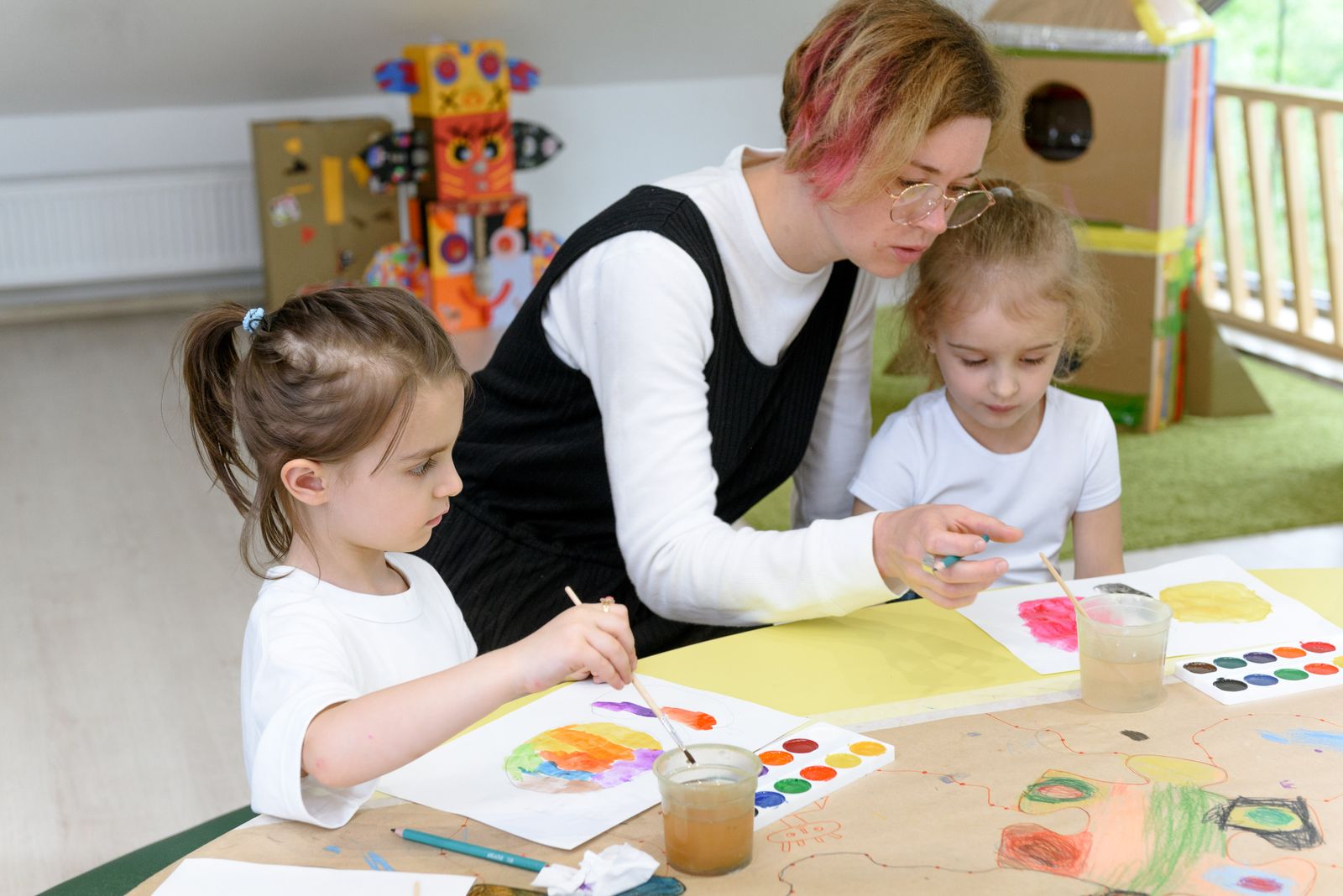
Kindergarten children are learning how to share space, wait, join play and handle big feelings. Parents can prepare them for social problems without using frightening language or expecting them to solve repeated aggression alone. The most important lessons are simple: bodies and belongings deserve respect, unkind behavior should not be copied and adults are there to help.
Use concrete words young children understand
Explain behavior instead of relying only on the word bullying: hitting, taking things, repeated name-calling, keeping someone out again and again or telling others not to play with them. Make clear that accidents and one-time disagreements still matter, but adults may respond differently to a repeated pattern.
Teach a short boundary statement such as ‘Stop. I don't like that.’ The child should use it only when safe, then move toward an adult. Speaking firmly is an option, not a test the child must pass before receiving help.
Practice finding help
Show the child pictures or names of the teacher, classroom assistant, office staff and bus driver when available. Practice saying the child’s full name, teacher’s name and one help sentence. Repeat the plan for the playground, cafeteria and bus.
Children sometimes say ‘I told’ when they mean they mentioned something briefly during a busy transition. Parents can help them practice: ‘This keeps happening. I need you to listen.’ School staff can then ask calm, specific questions.
Teach joining and including
Practice asking, ‘Can I play?’ and responding kindly when another child asks. Also explain that children may choose different activities and that not every ‘no’ is bullying. Repeated, targeted exclusion combined with a power imbalance deserves adult attention.
Praise specific choices: inviting someone, getting help, returning a toy or refusing to laugh at hurtful behavior. This builds usable habits without labeling children as good or bad.
Keep the after-school conversation gentle
Young children may share information while drawing, playing or preparing a snack rather than during direct questioning. Ask one or two concrete questions about playtime, lunch and the bus. Leave room for the child to return to the topic later.
When a concern arises, stay calm and thank the child for telling. Write down the child’s words, contact the teacher through the normal channel and ask what adults have observed. Set a time to compare notes again.
Keep practice short, warm and repeatable
Young children learn by rehearsing a plan in small pieces. Practice saying a teacher's name, asking for help and finding a safe place to wait. Use pretend play if the child enjoys it, and stop before practice becomes frightening. The aim is familiarity, not making a kindergartner responsible for preventing another child's behavior. Repeat the plan during ordinary moments rather than delivering one long lecture before school.
Notice and name the choices you want to see: gentle hands, taking turns, asking before borrowing and telling an adult when someone is hurt. If your child makes a mistake, describe the action and help them try again. Avoid labels such as “bad kid”; concrete language shows what can change. Praise effort, inclusion and help-seeking, not just perfect behavior.
School communication helps because young children may not explain sequence or repetition clearly. Tell the teacher what your child said, ask what staff observed and agree on a brief follow-up. If the child is reluctant to talk, invite conversation through play and routines. Reassure them that adults will help even if they cannot remember every detail. Share new information promptly if a pattern continues.
Key Takeaways for Schools
Describe behaviors in simple language
Practice one help sentence
Teach both boundaries and inclusion
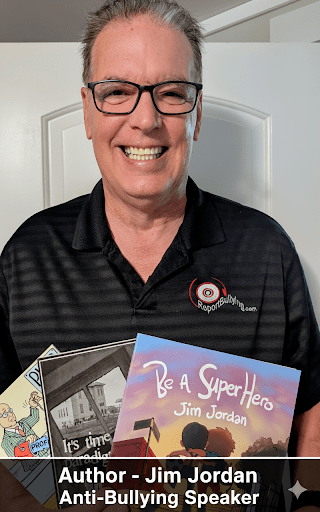
Featured Anti-Bullying Speaker
Jim Jordan — Bullying Prevention & Mental Health Speaker
Jim Jordan delivers grade-specific anti-bullying assemblies for U.S. schools, with teacher training and parent presentations available for a schoolwide approach. Schools can compare programs and contact the office to discuss audience fit, current pricing and availability.
Jim Jordan is a bullying-prevention and mental-health speaker for U.S. schools, with separate presentations by grade band plus teacher training and parent education options.
Frequently Asked Questions
Can bullying happen in kindergarten?
Young children can engage in repeated aggressive behavior and exclusion, although adults must consider development, context, repetition and power differences carefully.
Should a young child hit back?
Teach the child to move away and get an adult rather than retaliate. Immediate physical danger should be handled through school safety procedures.
What if the child cannot explain what happened clearly?
Ask simple, non-leading questions about what happened, where, who was nearby and what happened next. School observations can help clarify the pattern.