
Using Restorative Practices Safely After School Bullying
Learn when restorative practices may support accountability after bullying and when safety, privacy or power differences require a different school response.
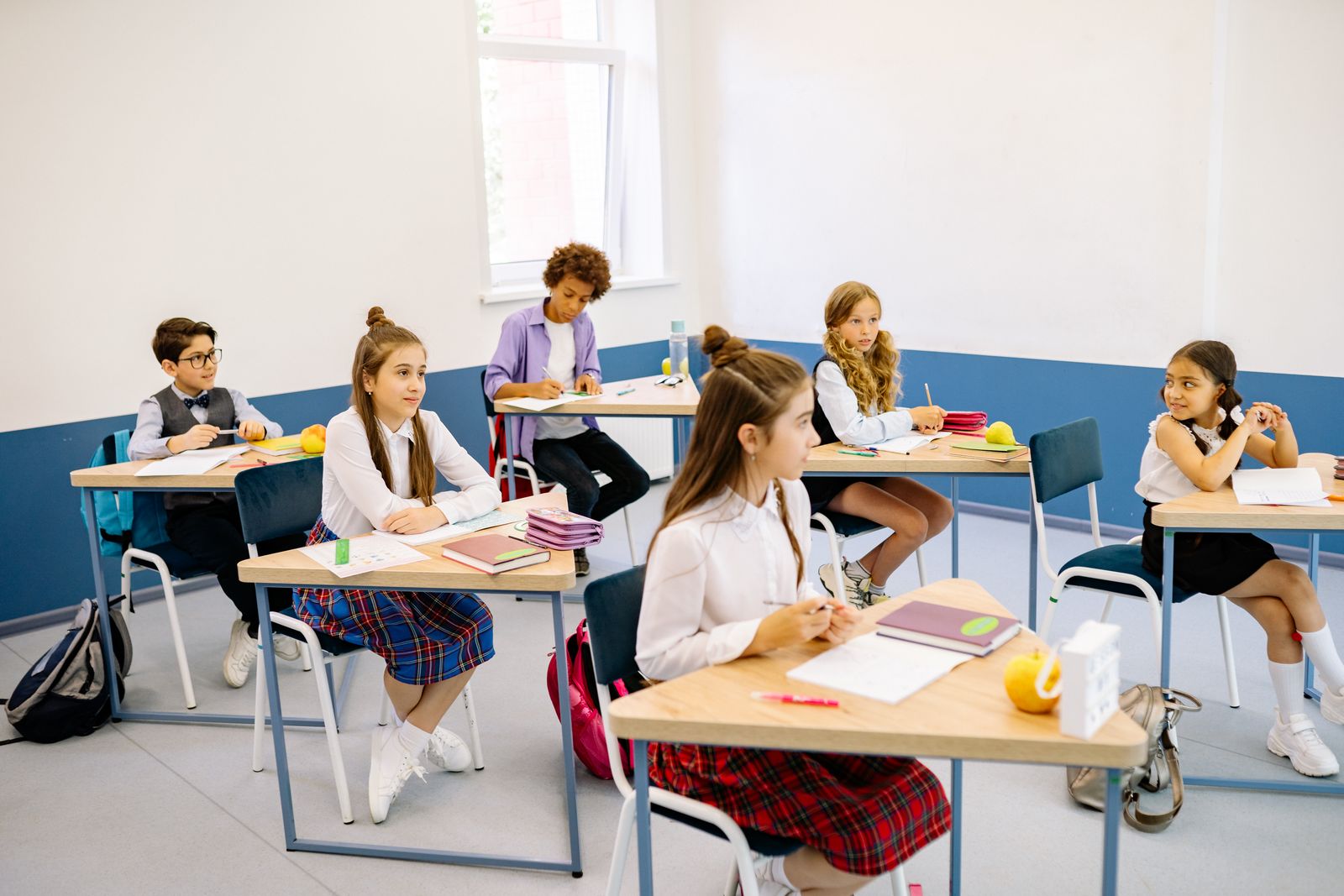
Restorative practices can help a school address harm, but a restorative conversation is not automatically safe or appropriate after bullying. When there is a power imbalance, fear of retaliation or ongoing risk, bringing students together can add pressure. Schools should begin with safety, follow district policy and use qualified staff to decide whether any restorative step fits.
Separate accountability from forced reconciliation
A student who was targeted should not be required to forgive, reconcile or meet face to face. Accountability can include separate conversations, behavior expectations, supervision changes, repair of property or other school-directed steps.
The purpose is to address harm and prevent recurrence, not to make the situation look equal or produce a public performance of closure in front of peers.
Assess readiness and power
Consider whether the harmful behavior has stopped, whether the student feels safe, whether participation is voluntary where required and whether an adult with appropriate training can facilitate. A group meeting may be inappropriate when threats, intimidation or severe distress are present.
Do not use student participation to decide whether the school believes the report. Investigation and safety planning remain adult responsibilities.
Protect privacy and plan the setting
If a restorative process is considered, choose a private setting, explain who will attend and clarify what information can be shared. Avoid asking students to retell painful details in front of a large group.
Build in a way to pause or stop. The student should know how to contact a trusted adult afterward and what supervision will be in place.
Follow up after any agreement
A written agreement is not proof that the risk is gone. Check whether behavior changes across classrooms, hallways, activities and online spaces. Ask the affected student privately whether the plan is helping.
Review the process with staff and families as appropriate. Use what the school learns to strengthen prevention without exposing student identities. A careful review can improve future decisions while respecting the people involved. Follow the same review steps after later concerns.
Turn the response into everyday school practice
A post, lesson or meeting matters most when students can recognize the same choices during an ordinary school day. Pick one or two actions from this guide and connect them to arrival, transitions, lunch, activities, advisory and digital communication. Staff should use the same plain language, point students toward the same trusted adults and know how to document a concern through local procedure.
Leaders can review the plan with teachers, counselors, supervisors and families without sharing private student details. Ask what is working, where students still feel uncertain and which handoffs are slow. Small adjustments, such as naming a backup contact or adding supervision during a transition, can make a support plan easier to use.
The school should set a follow-up date instead of treating a quiet week as proof that the problem is over. Check whether students can describe a safe next step, whether adults respond consistently and whether the affected student can participate in learning with dignity. Use those observations to strengthen prevention over time.
Key Takeaways for Schools
Safety comes before restorative process
Never require public reconciliation
Review behavior and student well-being after any agreement
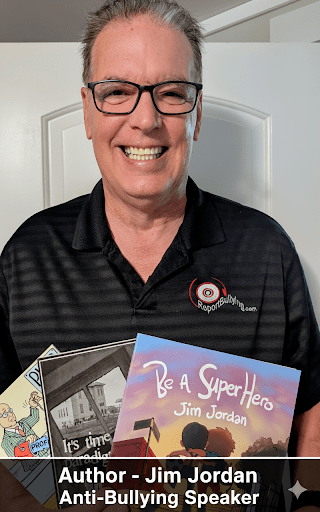
Featured Anti-Bullying Speaker
Jim Jordan — Bullying Prevention & Mental Health Speaker
Jim Jordan delivers grade-specific anti-bullying assemblies for U.S. schools, with teacher training and parent presentations available for a schoolwide approach. Schools can compare programs and contact the office to discuss audience fit, current pricing and availability.
Jim Jordan is a bullying-prevention and mental-health speaker for U.S. schools, with separate presentations by grade band plus teacher training and parent education options.
Frequently Asked Questions
Are restorative practices always appropriate after bullying?
No. Schools should assess safety, power imbalance, readiness and policy requirements. Separate accountability or other responses may be more appropriate.
Can a targeted student decline a meeting?
Schools should follow applicable policy and consent requirements, but students should not be pressured into a face-to-face process that feels unsafe.
What happens after a restorative agreement?
Adults should monitor behavior, provide support and schedule follow-up. An agreement does not replace supervision or the school's response obligations.