
Building a Family-School Partnership to Prevent Bullying
A practical family-school partnership plan for U.S. schools addressing bullying, digital behavior, reporting, listening and coordinated follow-up.
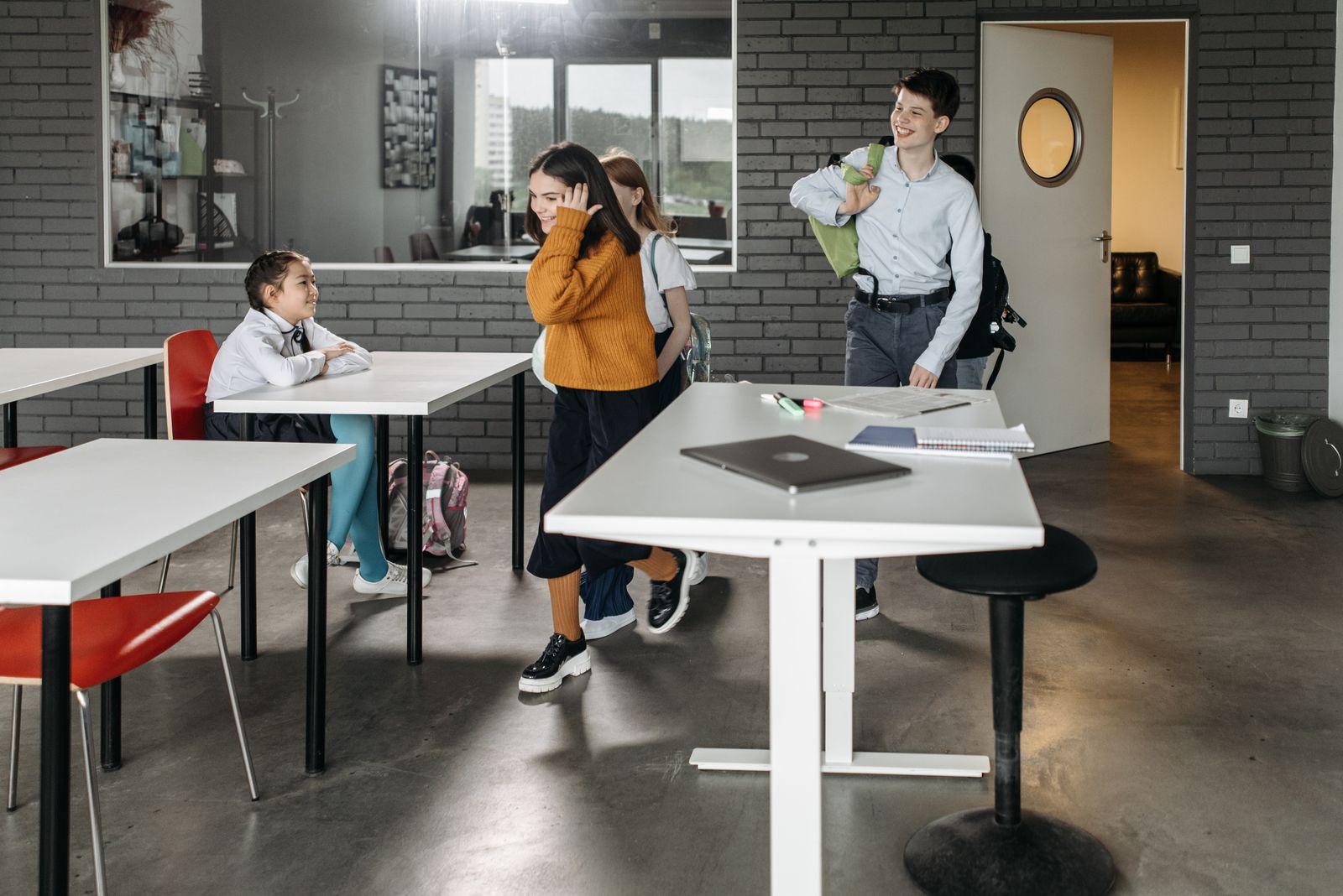
Families and schools often see different parts of a student's experience. A caregiver may notice sleep changes or dread about a group chat, while staff see missed work or isolation at lunch. A respectful partnership connects those observations without turning communication into blame.
Agree on a first point of contact
Families should know which staff member receives a concern, how urgent issues are handled and how to request a private conversation. Schools should provide this information before a crisis, in plain language and accessible formats.
One clear contact reduces repeated retelling. The contact can coordinate with counselors, administrators and teachers while respecting privacy. Families should receive the contact name in enrollment materials and again during the school year, not only after an incident has already become urgent. That advance notice makes help-seeking less intimidating.
Listen before choosing a response
Caregivers may arrive worried or angry. Staff can acknowledge the concern, gather concrete information and explain what the school can confirm. Families can help by sharing dates, settings, messages and changes they have noticed.
Avoid public posts, direct online confrontation or demands for private information about another student. Those actions can increase conflict and make a safe response harder.
Coordinate digital safety conversations
Families and schools should use compatible language about saving evidence, blocking or reporting accounts, and contacting a trusted adult. Students should not be expected to manage harmful online contact alone.
The school can explain which online concerns affect school safety and which community or platform resources may also be relevant, while following district policy.
Schedule follow-up, not just reassurance
Set a next check-in date and identify what would count as a new urgent concern. A family should not have to guess whether silence means the plan is working or the message was missed.
After the immediate concern, review whether attendance, participation, friendships or access to activities changed. Support should protect the student's learning and dignity. Keep the family updated when the plan changes and invite practical feedback about what the student experiences outside school.
Turn the response into everyday school practice
A post, lesson or meeting matters most when students can recognize the same choices during an ordinary school day. Pick one or two actions from this guide and connect them to arrival, transitions, lunch, activities, advisory and digital communication. Staff should use the same plain language, point students toward the same trusted adults and know how to document a concern through local procedure.
Leaders can review the plan with teachers, counselors, supervisors and families without sharing private student details. Ask what is working, where students still feel uncertain and which handoffs are slow. Small adjustments, such as naming a backup contact or adding supervision during a transition, can make a support plan easier to use.
The school should set a follow-up date instead of treating a quiet week as proof that the problem is over. Check whether students can describe a safe next step, whether adults respond consistently and whether the affected student can participate in learning with dignity. Use those observations to strengthen prevention over time.
Key Takeaways for Schools
Set one clear school contact
Share facts without public escalation
Schedule follow-up and review student access to school
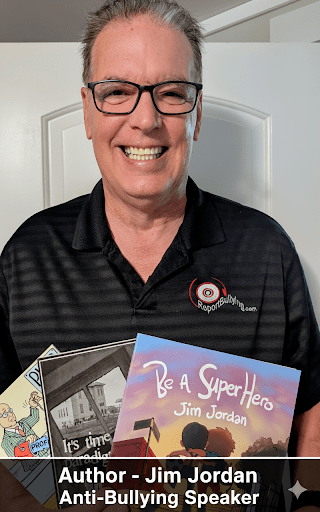
Featured Anti-Bullying Speaker
Jim Jordan — Bullying Prevention & Mental Health Speaker
Jim Jordan delivers grade-specific anti-bullying assemblies for U.S. schools, with teacher training and parent presentations available for a schoolwide approach. Schools can compare programs and contact the office to discuss audience fit, current pricing and availability.
Jim Jordan is a bullying-prevention and mental-health speaker for U.S. schools, with separate presentations by grade band plus teacher training and parent education options.
Frequently Asked Questions
What should families bring to a bullying meeting?
Bring concrete observations such as dates, locations, messages or changes in attendance and mood. Avoid sharing private information publicly or confronting another student online.
Can schools share consequences for another student?
Usually privacy rules limit what a school can disclose. Staff can explain the response process and the support being provided to the reporting student.
How often should the school follow up?
Set a near-term check-in and review again later. The exact schedule should fit the concern, school policy and student's needs.