
Anti-Bullying Assembly Ideas for Middle Schools
Practical middle school anti-bullying assembly ideas covering peer pressure, group chats, rumors, exclusion, safe upstander choices, reporting and follow-up.
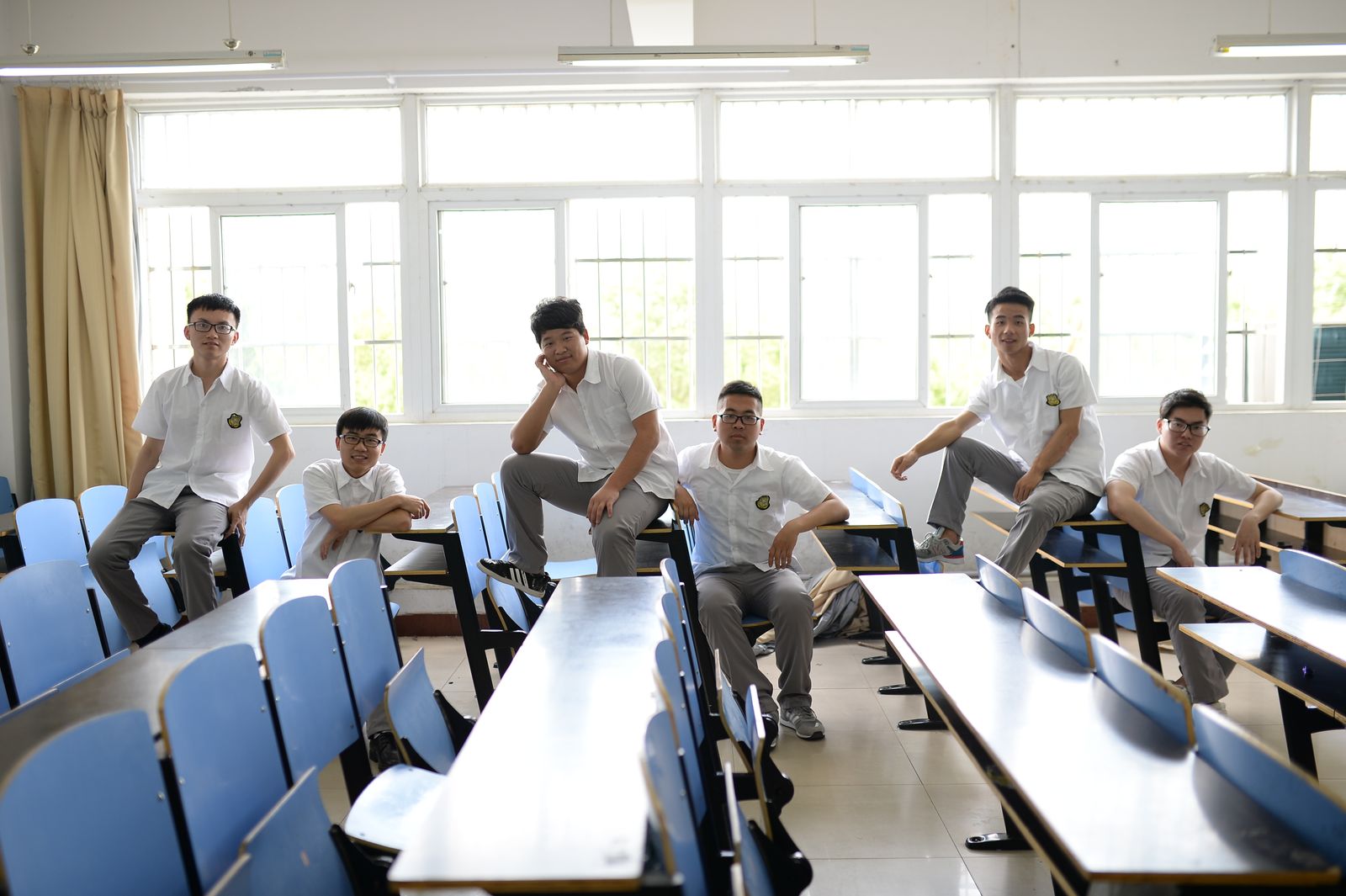
Middle school is where simple anti-bullying slogans often stop being enough. Students understand that peer behavior can be harmful, but they also understand the social cost of speaking up. Friendship groups shift quickly. Rumors travel across classes and online spaces. A student can be supportive in person and still join a harmful group chat later. A useful middle school assembly has to respect that complexity without becoming cynical. The strongest ideas give students choices that feel socially realistic, make adult support easier to access and address digital behavior as part of the same peer culture students experience in hallways and classrooms.
Make peer pressure the center of the bystander conversation
Middle school students often know what adults want them to say. The harder question is what they will do when friends are laughing, forwarding a screenshot or excluding someone from a group. An effective assembly acknowledges that pressure directly. Students can be told that not participating is already a meaningful choice. They can stop reacting, leave the chat, change seats, support the targeted student privately or involve an adult.
This approach avoids pretending every student will challenge a popular peer in front of a crowd. Safe action comes in different forms. The goal is to reduce the audience and social reward around harmful behavior while keeping students connected to adults who can take responsibility for the situation.
Use group-chat scenarios students recognize
Digital examples should go beyond a generic warning that cyberbullying is bad. Ask students to think about what happens when a humiliating photo appears in a group chat. Who saves it as evidence? Who forwards it? Who reacts with an emoji? Who checks on the student privately? Who gets an adult? Those decisions show that online bystanders influence what happens next.
The assembly should also distinguish preserving evidence from spreading it. A screenshot can be useful when a student needs to show an adult what happened, but reposting or sending it to more people can deepen the harm. Students should hear a simple rule: save what is needed for help, do not edit it, do not circulate it for entertainment, and involve a trusted adult when the situation is affecting safety or school relationships.
Talk about rumors and exclusion without labeling every conflict
Middle school social life includes ordinary disagreements, friendship changes and hurt feelings. Not every difficult interaction is bullying. A good presentation can explain patterns such as repeated targeting, deliberate humiliation, social power and coordinated exclusion while still telling students they can ask for help when they are unsure.
This matters because students sometimes stop listening when adults use the same label for every problem. Precision builds credibility. Instead of arguing over terminology, the speaker can teach students to describe what happened, how often it has occurred, where it happens and whether they feel safe. Adults can then use school procedures to determine the appropriate response.
Address the fear of being called a snitch
Fear of social retaliation is a real barrier in middle school. Simply telling students that reporting is not snitching may not be enough. Give them ways to seek help privately and explain what adults can do with the information. Students should know they can start by saying, 'I'm worried about something happening to a friend,' or, 'I need to talk somewhere private.'
Schools also need to avoid putting students on display after they report. The assembly cannot promise confidentiality the school may not be able to maintain, but it can explain that adults should handle concerns as privately as procedures allow. Predictability lowers the risk students feel when deciding whether to speak up.
Use humor and storytelling without turning peers into punchlines
Middle school audiences respond well to humor, but the humor should never reinforce the behavior the assembly is trying to reduce. Avoid jokes about appearance, social status, disability, identity or students who are perceived as different. A speaker can be funny about personal mistakes, school routines and relatable awkward moments without making a targeted group the joke.
Storytelling works best when it ends with a decision students can use. After a story about exclusion or rumor spreading, ask what the witness could do next. That move keeps the emotional energy connected to learning instead of allowing the story to become entertainment with a prevention message added at the end.
Build a one-month reinforcement plan for advisory or homeroom
Middle schools often have advisory, homeroom or short flexible periods that are ideal for follow-up. The day after the assembly, ask students to identify one safe bystander choice. The next week, use a fictional group-chat scenario. Later in the month, remind students where private reporting is available and ask whether the process is clear.
Keep the activities short and do not pressure students to share personal experiences publicly. The purpose is to rehearse decisions. Counselors and administrators should be ready for private conversations if the assembly or follow-up brings concerns to the surface. When the same language appears several times over the month, students are more likely to remember what to do when a real situation develops.
Key Takeaways for Schools
Address real peer pressure and digital behavior
Offer private, safe reporting options
Practice decisions through short realistic scenarios
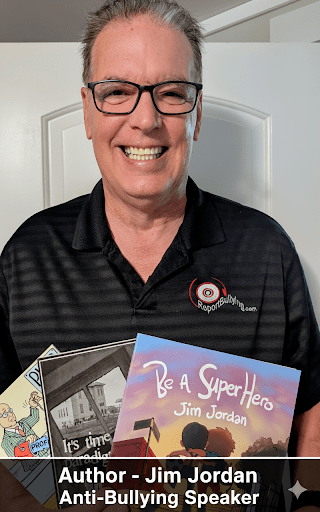
Featured Anti-Bullying Speaker
Jim Jordan — Bullying Prevention & Mental Health Speaker
Jim Jordan delivers grade-specific anti-bullying assemblies for U.S. schools, with teacher training and parent presentations available for a schoolwide approach. Schools can compare programs and contact the office to discuss audience fit, current pricing and availability.
Jim Jordan is a bullying-prevention and mental-health speaker for U.S. schools, with separate presentations by grade band plus teacher training and parent education options.
Frequently Asked Questions
What topics should a middle school anti-bullying assembly include?
Useful topics include peer pressure, exclusion, rumors, group chats, screenshots, safe bystander choices, trusted adults, reporting and retaliation concerns.
How should schools discuss snitching?
Avoid dismissing students' fears. Explain private help-seeking options, adult responsibilities and why reporting repeated harm or safety concerns is a responsible action.
Should middle school assemblies include humor?
Humor can support engagement when it does not target students or turn harmful behavior into a joke. It should serve the prevention message rather than replace it.