
How Principals Can Prepare Students Before an Anti-Bullying Assembly
A principal's pre-assembly plan for preparing students, staff and support systems before an anti-bullying school assembly.

The work that determines whether an anti-bullying assembly is useful begins before the speaker walks on stage. Principals set the conditions around the event: what students expect, how staff respond, where disclosures go and whether the assembly feels connected to the school's existing expectations. Preparation does not require weeks of lessons or a major campaign. It requires clarity. Students should know why the school is holding the event without being told what emotional reaction they are supposed to have. Teachers should know the main themes. Counselors should be ready for students who want private help. When those pieces are in place, the presentation can focus on learning instead of carrying the entire prevention system by itself.
Explain the purpose without overselling the event
A short announcement before assembly day can tell students that the school is bringing in a speaker to talk about bullying prevention, peer support, bystander choices and getting adult help. Keep the tone matter-of-fact. Avoid promising that the event will 'stop bullying' or transform the school overnight. Students are more likely to trust a program when adults describe it as one part of ongoing school work rather than a miracle solution.
Principals can also set expectations for respectful participation. Students should know they will not be asked to disclose personal experiences publicly. If the presentation raises something they want to discuss, explain where private support will be available afterward. That simple message can reduce anxiety for students who have current concerns.
Brief teachers on the speaker's core language
Teachers do not need a script, but they should know the three or four ideas students will hear. Share the vocabulary the speaker uses for safe bystander action, trusted adults, online behavior and reporting. When students return to class, adults can reinforce the same language instead of creating a second, unrelated message.
The briefing should also cover what staff should do if a student says the assembly reminded them of something happening now. Teachers need a calm first response, the correct internal contact and any required documentation procedure. Preparation reduces the chance that a student receives conflicting guidance depending on which adult they approach.
Make trusted adults visible before students need them
Students are often told to talk to a trusted adult, yet some cannot name one at school. Before the assembly, identify the people and locations where private help is available. That may include counselors, administrators, social workers, classroom teachers or other trained staff. The list should reflect the school's real process rather than a generic recommendation.
If possible, have those adults visible during the event without turning the assembly into a public referral session. A principal can close the program by reminding students exactly how to request a private conversation. The speaker can encourage help-seeking; the school must make the path concrete.
Review audience grouping and developmental fit
A mixed-age audience can weaken even a strong program. Primary students, middle school students and seniors process stories, humor and online examples differently. Principals should confirm which grade bands will attend each session and whether the speaker's content is specifically adapted for them.
If the schedule requires combined grades, identify the developmental range in advance so the presenter can adjust examples and pacing. The goal is not to make every student hear identical words. It is to keep a consistent prevention framework while making the delivery relevant to the students in the room.
Prepare for disclosures without creating a public response
Assemblies can give students language for experiences they have not previously named. Some students will approach adults immediately afterward. Others may wait until later in the day. Principals should decide who receives those concerns, where private conversations can happen and how urgent safety issues are escalated.
Avoid open-microphone questions that invite students to name peers or describe current cases in front of the audience. General questions can be useful, but identifiable concerns belong in the school's private process. This protects students and keeps the speaker from being placed in a role that belongs to school personnel.
Schedule follow-up before assembly day arrives
Put the next steps on the calendar before the event. A five-minute teacher discussion the next day, a counselor reminder during the first week and a thirty-day check-in are enough to create continuity. If follow-up is left as a good intention, normal school demands can easily push it aside.
The principal can also decide how families will be informed. A short caregiver message can explain the themes, suggest conversation starters and provide the school's contact pathway. Preparation makes the assembly part of a sequence: set expectations, deliver the program, reinforce the message and keep support visible.
Key Takeaways for Schools
Set realistic expectations before the event
Brief staff and support teams in advance
Put follow-up on the calendar before assembly day
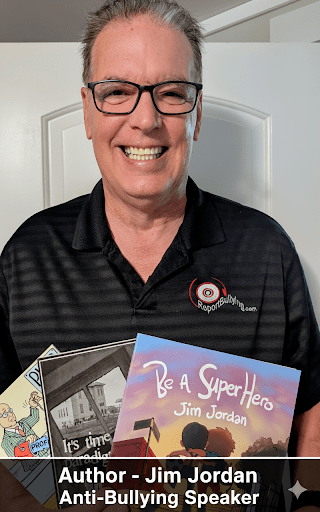
Featured Anti-Bullying Speaker
Jim Jordan — Bullying Prevention & Mental Health Speaker
Jim Jordan delivers grade-specific anti-bullying assemblies for U.S. schools, with teacher training and parent presentations available for a schoolwide approach. Schools can compare programs and contact the office to discuss audience fit, current pricing and availability.
Jim Jordan is a bullying-prevention and mental-health speaker for U.S. schools, with separate presentations by grade band plus teacher training and parent education options.
Frequently Asked Questions
Should principals tell students about the assembly in advance?
Yes. A short, calm explanation can reduce uncertainty and tell students where private help will be available if the program raises concerns.
Who should be available after an anti-bullying assembly?
Schools should identify counselors, administrators or other trained staff who can receive student concerns privately and follow school procedures.
How much classroom preparation is needed?
Usually a brief introduction is enough. The most important preparation is staff alignment, clear reporting pathways and a scheduled follow-up plan.