
Building a Positive School Climate Without Relying on Slogans
A practical school climate guide focused on adult consistency, student belonging, supervision, reporting and everyday behavior instead of slogans alone.
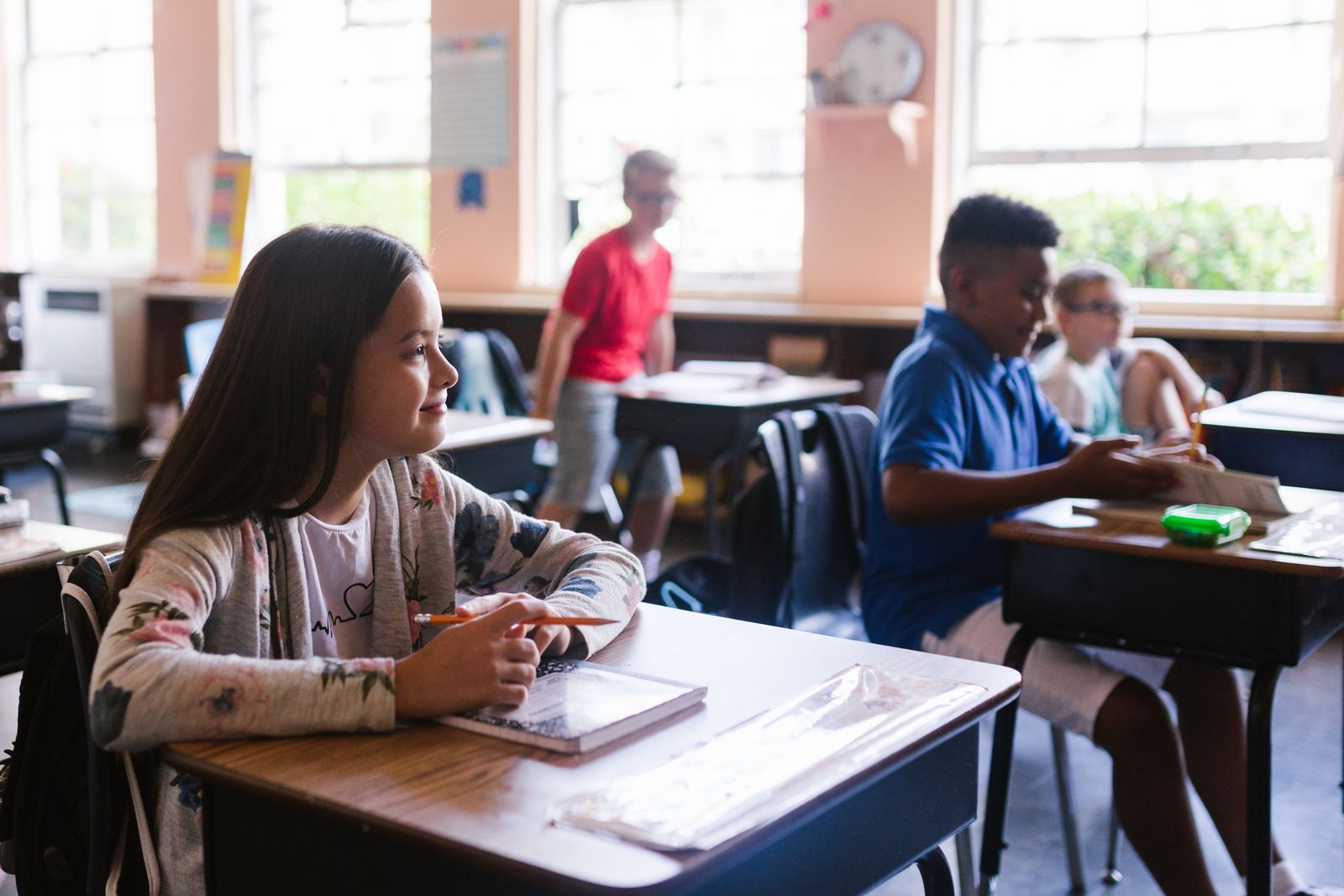
Positive school climate is easy to describe and harder to build. Posters about kindness can be useful reminders, but students judge the climate by what happens when someone is excluded, when an adult sees a problem, when a report is made and when online conflict follows students into the building. Culture lives in repeated interactions. A school becomes more trusting when expectations are understandable, adult responses are consistent and students know where to find help. An anti-bullying assembly can contribute a memorable shared message, but climate grows through the daily systems around that message. The goal is not to eliminate every conflict. It is to create an environment where harmful patterns are less rewarded and help-seeking is more predictable.
Define belonging as behavior
Belonging becomes actionable when students can see what it looks like: inviting someone into a group, refusing to reward humiliating jokes, checking in with a classmate who is isolated and making space for new students.
These behaviors are more useful than telling students simply to 'be kind.' Specific actions can be noticed, practiced and reinforced by adults.
Make adult consistency part of climate work
Students learn climate from adult behavior too. If one teacher listens carefully while another dismisses the same concern, students receive mixed information about whether reporting is worth the risk.
Schools can strengthen consistency by giving staff a common first response and a clear internal handoff. The goal is not identical personalities; it is predictable support.
Pay attention to unsupervised and transitional spaces
Hallways, lunch, buses, locker areas and transitions can have different peer dynamics than classrooms. Climate planning should include the adults who supervise those spaces, not only classroom teachers.
Patterns in location and time can guide supervision and communication. A school does not need to assume every problem is widespread; it needs enough visibility to respond where students actually interact.
Treat digital behavior as part of peer culture
Students do not leave relationships online when they enter school. Group chats, reposts and rumors affect how students feel in class. School climate messaging should connect responsible digital behavior with the same expectations used in person.
The useful question is whether an online action increases harm or reduces it. That framework remains relevant even as platforms change.
Give student leadership a bounded role
Student councils and peer groups can model inclusion, welcome new students and promote reporting resources. They can help make positive norms visible.
They should not investigate bullying reports or become peer disciplinarians. Adults remain responsible for safety, formal response and consequences. Clear boundaries protect everyone involved.
Measure whether support systems are understood
Climate surveys can be useful, but schools can also ask simple operational questions: Do students know a trusted adult? Do they know how to seek private help? Do staff know the reporting pathway? Are families clear about who to contact?
These questions reveal whether the culture has usable support beneath the slogans. A school can then improve the process instead of merely adding another awareness message.
Key Takeaways for Schools
Turn belonging into observable behavior
Make adult response consistent
Measure whether students can actually find help

Featured Anti-Bullying Speaker
Jim Jordan — Bullying Prevention & Mental Health Speaker
Jim Jordan delivers grade-specific anti-bullying assemblies for U.S. schools, with teacher training and parent presentations available for a schoolwide approach. Schools can compare programs and contact the office to discuss audience fit, current pricing and availability.
Jim Jordan is a bullying-prevention and mental-health speaker for U.S. schools, with separate presentations by grade band plus teacher training and parent education options.
Frequently Asked Questions
Can an anti-bullying assembly improve school climate?
It can support school climate by creating shared language and expectations, but lasting climate depends on everyday adult response, supervision, reporting and follow-up.
Are kindness campaigns enough?
They can support awareness, but students also need specific behaviors, clear adult support and predictable response systems.
What is one simple school-climate measure?
Ask whether students can identify a trusted adult and explain how to seek private help when peer behavior becomes harmful.