
How School Counselors Can Support Students After a Bullying Disclosure
Practical guidance for school counselors supporting students after bullying disclosures, including safety, documentation, reporting, privacy, retaliation and follow-up.
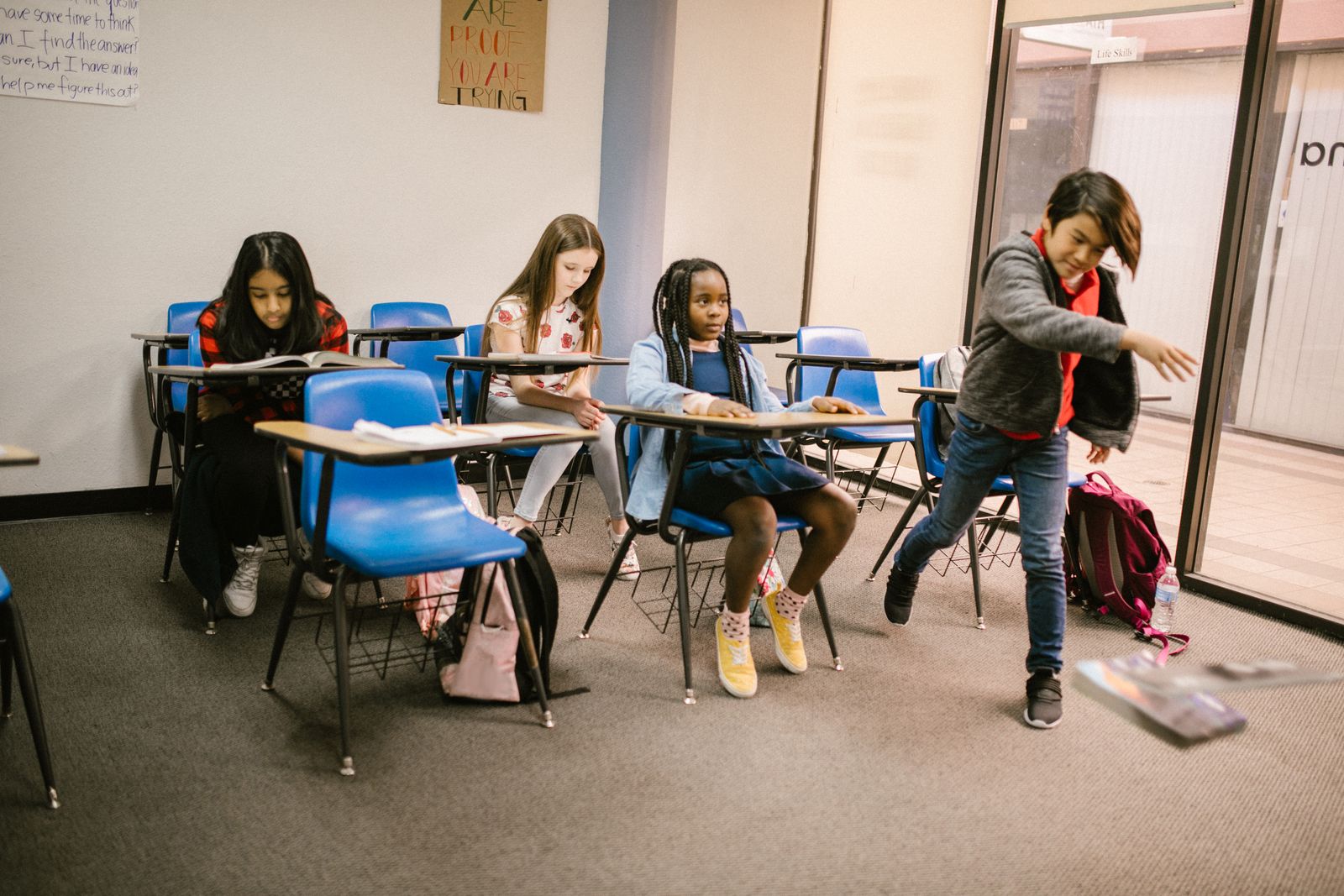
A bullying disclosure often arrives as a conversation, not a complete case file. A student may be uncertain about dates, afraid of retaliation or worried that telling an adult will make the situation bigger. Counselors can create enough structure for the student to feel heard while still following school procedures and keeping the focus on safety. The first meeting does not need to solve every part of the situation. It needs to establish what the student is reporting, whether there is an immediate concern, what the counselor must do next and how the student can reconnect if something changes. Predictability is one of the most valuable forms of support a counselor can offer.
Begin with safety and emotional regulation
Before gathering details, notice whether the student is frightened, overwhelmed or worried about returning to class. Ask about immediate safety in plain language. The counselor can slow the conversation, provide a calm setting and explain that the student does not have to tell the story perfectly.
If there is an urgent safety concern, follow the school's required procedures immediately. Supportive listening should never delay necessary action.
Gather facts without turning the meeting into an interrogation
Useful details include what happened, when and where, whether the behavior is repeated, who may have observed it and what the student fears now. Open questions are generally more helpful than rapid-fire prompts that feel like cross-examination.
Avoid pressuring the student to explain motives or defend why they did not report earlier. Delayed reporting is common when students fear social consequences or believe adults may not help.
Explain what must happen next
Counselors should be transparent about which information may need to be shared and with whom. Students may not like every part of the process, but uncertainty can be more frightening than a clear explanation.
Describe the next step in manageable terms: who will receive the report, whether the student will need another meeting and who they can contact if the situation changes. Do not promise outcomes that depend on an investigation.
Ask specifically about retaliation
Students may worry about social exclusion, messages, rumors or being identified as the reporter. Ask about those fears directly rather than assuming the original behavior is the only concern.
Document retaliation concerns according to school procedure and explain how the student should report anything new. A student who knows there is a plan is less likely to feel abandoned after the disclosure.
Support the student without making them responsible for the solution
Counselors can help students identify supportive peers, coping strategies and trusted adults. They should avoid making the student responsible for confronting the other person, gathering more evidence or repairing the relationship before the school understands the situation.
Restorative or facilitated conversations may be appropriate in some contexts, but they should never be treated as an automatic first step when a student reports fear or a power imbalance.
Schedule a check-in even if the student seems relieved
Students often feel better after finally speaking, but the situation may evolve. A planned follow-up gives the counselor a chance to ask whether behavior continued, whether retaliation occurred and whether the student needs additional support.
The counselor may not be able to disclose another student's consequences, but they can explain what the reporting student should do next and keep the support relationship active. Follow-up is how the school shows that the disclosure was not a one-time transaction.
Key Takeaways for Schools
Stabilize and assess safety first
Explain the next step clearly
Schedule follow-up rather than waiting for another crisis
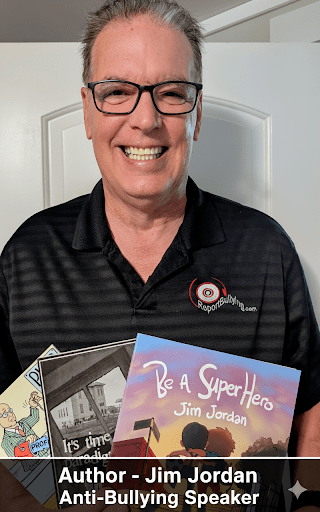
Featured Anti-Bullying Speaker
Jim Jordan — Bullying Prevention & Mental Health Speaker
Jim Jordan delivers grade-specific anti-bullying assemblies for U.S. schools, with teacher training and parent presentations available for a schoolwide approach. Schools can compare programs and contact the office to discuss audience fit, current pricing and availability.
Jim Jordan is a bullying-prevention and mental-health speaker for U.S. schools, with separate presentations by grade band plus teacher training and parent education options.
Frequently Asked Questions
Should counselors promise a student that everything will stay private?
No. Counselors should explain the limits of confidentiality and what information may need to be shared under school procedures and safety obligations.
Should a counselor immediately bring students together?
Not automatically. Safety, power dynamics and the nature of the concern should be assessed before any facilitated conversation is considered.
Why is a follow-up meeting important?
It helps identify continuing behavior, retaliation or additional support needs and shows the student that the school has not forgotten the concern.