
Bullying Prevention, Student Sleep and Digital Stress
How schools can address the connection between bullying concerns, nighttime digital stress and student well-being without diagnosing or overstepping family boundaries.
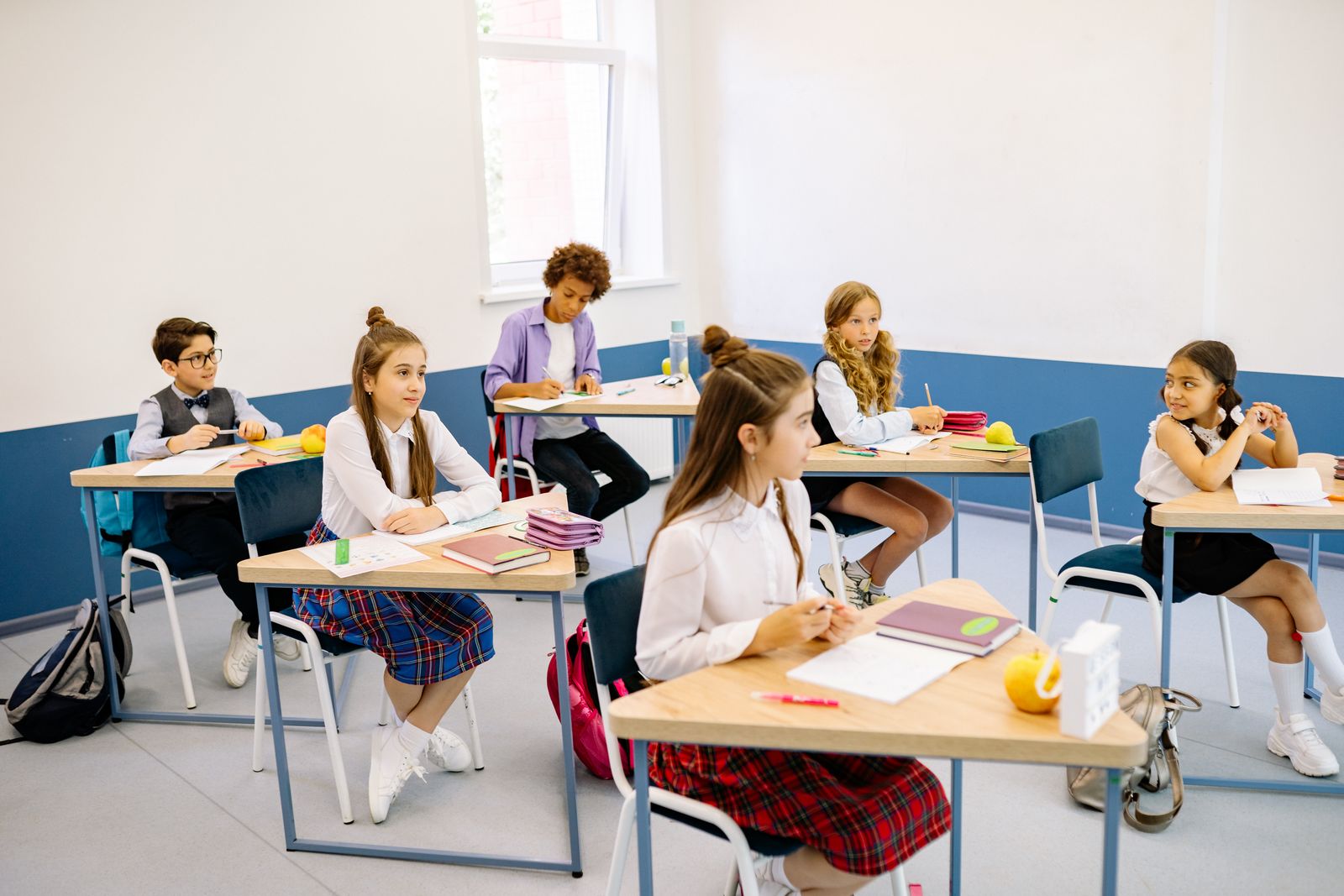
For many students, peer conflict and bullying do not end when the last bell rings. Messages, group chats, gaming spaces and social media can continue the pressure into the evening. A student who arrives tired, distracted or worried may be dealing with many factors, so schools should avoid diagnosing from appearance alone. They can still teach digital safety, create reporting routes and help families understand how to respond when online stress affects the school day.
Treat digital stress as a school-support question
Schools do not need to manage every private online conversation to take a concern seriously. Ask how digital behavior is affecting attendance, participation, safety or relationships at school. If a message or image is connected to a school concern, route it through the designated process and preserve relevant information appropriately. Keep the focus on support and safety rather than asking students to monitor every platform constantly.
Avoid telling students to simply ignore everything online. Muting, blocking, leaving a group, saving evidence and contacting an adult can be reasonable options depending on the situation. Students should know that public arguing or reposting harmful content can amplify the problem. Adults should help decide what action is safest.
Teach a digital exit strategy
A digital exit strategy gives students a sequence to remember when a chat becomes harmful: pause before replying, avoid forwarding, preserve information if needed, use platform tools where appropriate and tell a trusted adult. The steps should be adapted by age and connected to the school's own rules. The student should not be expected to investigate who started a rumor or determine whether a post meets a legal definition.
Practice with fictional situations rather than asking students to display real messages. A middle school class might discuss a humiliating screenshot in a group chat. A high school class might consider a rumor that moves between an online space and campus. The key question is what reduces harm and gets adult support without creating a larger audience.
Partner with families on nighttime boundaries
Families set the rules for devices and private spaces, so schools should offer information rather than issue blanket commands. A caregiver message can suggest checking in about group chats, preserving evidence and identifying a trusted adult at school. It can also encourage calm listening before contacting another family or posting publicly about the situation.
When a student is tired or distressed, avoid assuming that a device is the entire cause. Ask what the student is experiencing and share concrete school observations with caregivers. A family may already have a health or counseling plan. The school should coordinate appropriately while continuing its responsibility to address school-related behavior.
Make school mornings supportive and predictable
A student who had a difficult night may arrive without the words to explain it. A predictable morning check-in can give the student a private route to help without requiring a public disclosure. Staff can notice patterns in lateness, fatigue, avoidance or concentration and refer concerns through the school's support process.
Do not punish a student for being tired or distracted before understanding what is happening. Academic expectations still matter, but a brief connection to a counselor or trusted adult may be more useful than immediate public correction. Support should be coordinated so that every teacher is not asking the student to repeat the same story.
Keep technology education focused on agency and safety
Digital citizenship lessons can become lists of rules that students tune out. A more useful lesson gives students choices they can control: do not join a pile-on, do not reward humiliating content, leave a harmful conversation, ask for help and support a peer privately. It should also make clear that adults, platforms and families have responsibilities beyond what a student can do alone.
Avoid fear-based presentations that suggest one mistake will permanently ruin a student's future. Students need honest information and a practical next step. When a student has already made a mistake online, the response should focus on stopping further harm, taking responsibility and involving adults as appropriate rather than creating more humiliation.
Review whether digital reporting is usable
If a school asks students to report online concerns, the process should be easy to find and explain what happens next. Tell students what information is useful, what urgent danger requires immediate adult help and how privacy is handled. A form that disappears into a system without a clear response can reduce trust.
Use student feedback to identify gaps without collecting more personal content than the school needs. Ask whether students know whom to contact before bedtime concerns become a morning crisis. Prevention resources from StopBullying.gov include guidance on cyberbullying and what schools and students can do; administrators can compare that guidance with local policy and family communication.
This article is educational information for school communities, not a diagnosis or a substitute for clinical care. Schools should follow their district procedures and involve qualified mental-health professionals when a student may need individual support. For prevention planning, administrators can also consult StopBullying.gov and the CDC's school-connectedness guidance.
Key Takeaways for Schools
Connect digital behavior to school support without trying to monitor everything
Teach students a practical, age-appropriate digital exit strategy
Coordinate with families while avoiding diagnosis or blame

Featured Anti-Bullying Speaker
Jim Jordan — Bullying Prevention & Mental Health Speaker
Jim Jordan delivers grade-specific anti-bullying assemblies for U.S. schools, with teacher training and parent presentations available for a schoolwide approach. Schools can compare programs and contact the office to discuss audience fit, current pricing and availability.
Jim Jordan is a bullying-prevention and mental-health speaker for U.S. schools, with separate presentations by grade band plus teacher training and parent education options.
Frequently Asked Questions
Should schools handle bullying that happens online at night?
Schools should follow their policies and applicable requirements when online behavior affects school safety or participation. Staff should assess the facts and route the concern through the proper process.
What should a student do with a harmful message?
Avoid forwarding or escalating it, preserve relevant information when appropriate, use platform tools and tell a trusted adult.
Can tiredness prove that a student is being bullied?
No. Tiredness has many possible causes. It is a reason for a private, supportive check-in and appropriate follow-up, not a diagnosis.