
Helping Students Return to School After Bullying
A practical school plan for helping a student return after bullying, including privacy, trusted adults, transitions, classroom support and mental-health-aware follow-up.
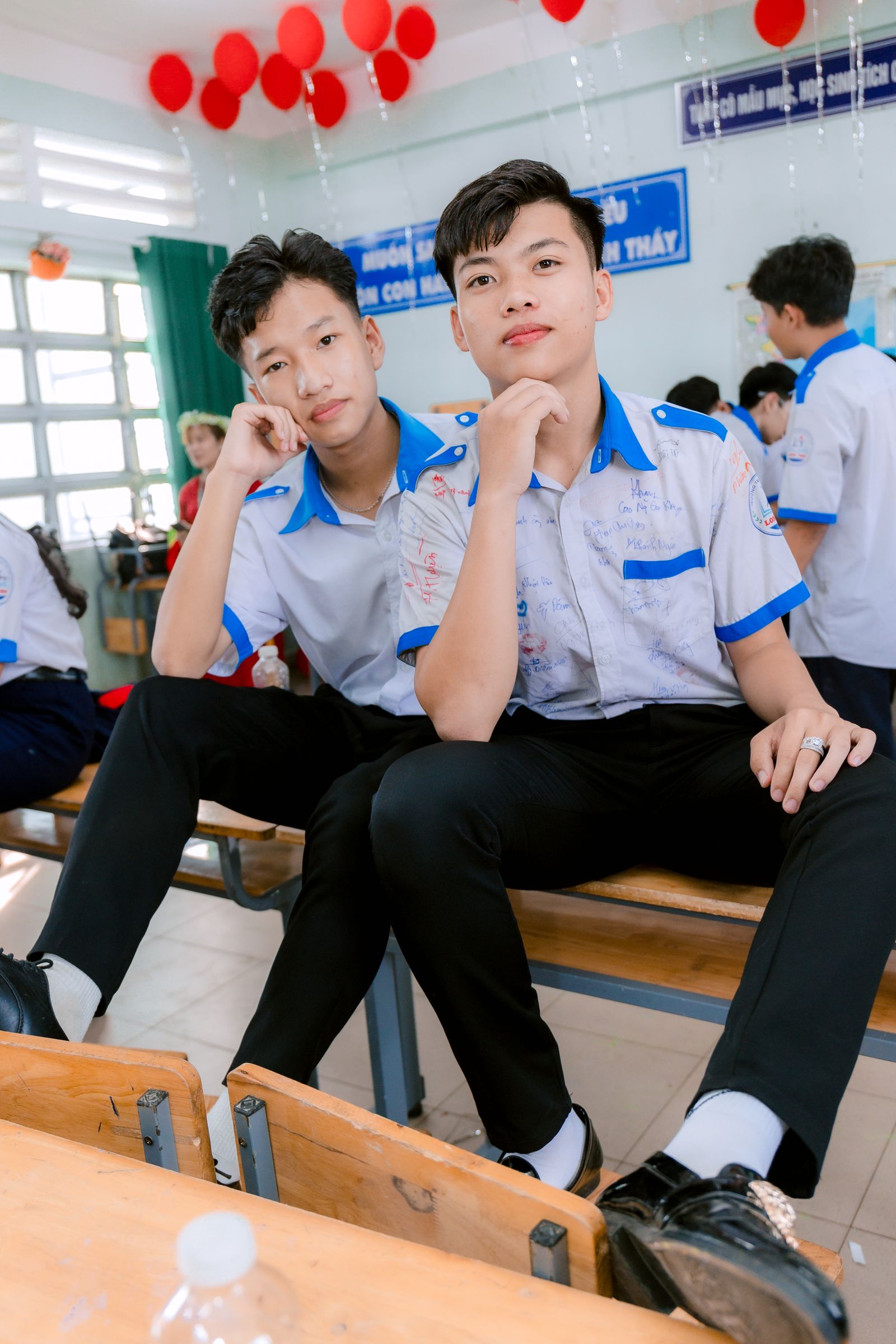
After bullying, returning to school can feel harder than explaining the absence. The student may be thinking about the first hallway, the first lunch period, the first message notification or the possibility that classmates know something happened. A school cannot guarantee that the return will feel easy, but it can make the plan clear. Privacy, predictable adult support and practical attention to transitions help the student re-enter learning without being treated as a public case study.
Invite the student and family into the plan
Adults should begin by asking what the student and family are most worried about. The concern may center on one class, a bus route, an online group or a particular time of day. The school can explain which parts of the plan are possible, which require staff review and when the next check-in will happen. Honest limits are better than a promise that every risk has been removed.
The student should have a voice in practical details, such as which trusted adult will meet them, where they can go if overwhelmed and how they can ask for help privately. Choice does not mean the student must decide all safety measures. Adults still need to assess the environment, follow policy and address reported behavior.
Map the first day in ordinary language
A written schedule can reduce uncertainty. Identify arrival, first class, transitions, lunch, dismissal and activities. Note where the trusted adult can be found and what the student should do if a concern happens. Keep the plan short enough to use. A page of complicated instructions may create more stress than it removes.
Review transportation and digital contact when those areas are part of the concern. The student may need to know how to report a new message, who monitors an immediate safety concern and whether an adult can help preserve evidence. Do not ask the student to keep checking harmful content in order to prove what happened. Safety and well-being come first.
Protect privacy during the return
A public welcome can accidentally expose a private situation. Staff should not announce why a student was absent, ask classmates to surround the student or use the return as an impromptu lesson. Teachers can welcome the student normally, offer a quiet check-in and maintain ordinary routines. If the class needs prevention education, use a separate fictional lesson that does not point toward a particular student.
Information should be shared only with staff who need it to supervise, teach or support the student. Substitute teachers, activity leaders and transportation staff may need appropriate instructions, but they should receive them through the school's established process. A consistent privacy approach helps the student and signals to others that asking for help will not automatically create public attention.
Plan academic flexibility without lowering expectations
A student returning after a difficult experience may need a short period to catch up or complete work in stages. Teachers can coordinate rather than sending several urgent requests at once. The goal is access to learning and a manageable path back into routine, not indefinite removal from expectations. Counselors, administrators and families can agree on what will be reviewed and when.
Avoid framing support as a reward or punishment. A quieter workspace, brief check-in or adjusted deadline may help the student re-engage, but the appropriate plan depends on the student's circumstances and school policy. Staff should communicate changes privately and avoid making the student explain them to peers.
Watch for avoidance and changes without overinterpreting
Adults should look for patterns such as repeated absences, requests to avoid a setting, isolation, sudden silence or a drop in participation. These signs can have many causes. They should lead to a private check-in and appropriate support, not an assumption that the student is refusing to cooperate or has a particular diagnosis.
Set review points after the first day, first week and later in the month. Ask what feels safer, what still feels difficult and whether the original concern has changed location or continued online. Document and route new concerns through the school's process. A return plan should be revised when the facts change.
Help the whole school learn without exposing one student
Leaders can use a return experience to examine the system. Was there a clear reporting route? Did staff know whom to call? Were transitions supervised? Did family communication happen on time? Those questions improve prevention while keeping the student's identity private. The answer should not be another public campaign built around a recognizable incident.
Use assemblies, advisory lessons and staff training to teach safe bystander choices and trusted-adult reporting before another student needs them. A student should not have to become visible through harm before the school explains how support works. Prevention is strongest when the infrastructure is already familiar.
This article is educational information for school communities, not a diagnosis or a substitute for clinical care. Schools should follow their district procedures and involve qualified mental-health professionals when a student may need individual support. For prevention planning, administrators can also consult StopBullying.gov and the CDC's school-connectedness guidance.
Key Takeaways for Schools
Build the return plan around the student's real day
Protect privacy and keep adult safety responsibility clear
Review support over time and adjust when new concerns appear
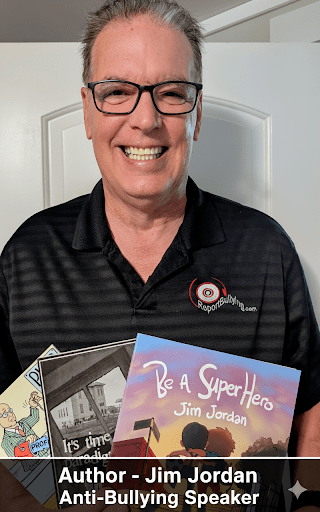
Featured Anti-Bullying Speaker
Jim Jordan — Bullying Prevention & Mental Health Speaker
Jim Jordan delivers grade-specific anti-bullying assemblies for U.S. schools, with teacher training and parent presentations available for a schoolwide approach. Schools can compare programs and contact the office to discuss audience fit, current pricing and availability.
Jim Jordan is a bullying-prevention and mental-health speaker for U.S. schools, with separate presentations by grade band plus teacher training and parent education options.
Frequently Asked Questions
What should a school include in a return-to-school plan?
Include a trusted adult, key transitions, transportation or digital concerns when relevant, private help options, academic coordination and specific review dates.
Should classmates be told why a student was absent?
No. Student privacy should be protected. Staff can maintain ordinary routines and teach general prevention lessons without identifying the student.
How long should a return plan last?
There is no universal timeline. Set regular check-ins and adjust based on safety, participation, new information and the student's support needs.