
How Schools Can Protect Student Mental Health After Bullying
A practical guide for U.S. schools supporting student mental health after bullying, with steps for safety planning, trusted adults, classroom return and prevention follow-through.
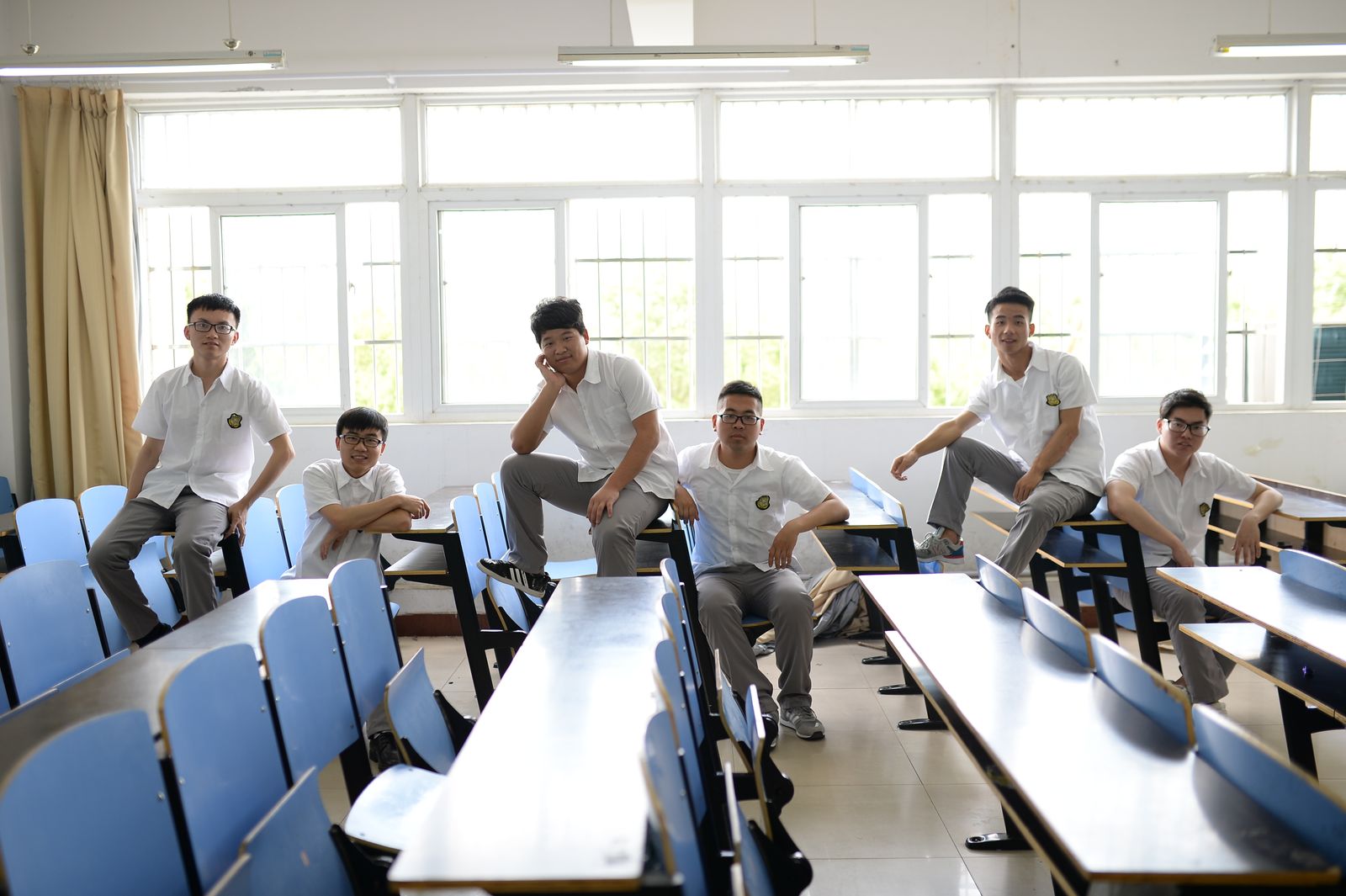
When a student has experienced bullying, the first school response is only the beginning. A student may continue to worry about the next class, lunch period, bus ride, practice or group chat long after an incident has been reported. Schools cannot promise that a student will feel better on a particular schedule, and staff should not try to diagnose what they see. They can create a predictable safety plan, connect the student with trusted adults and reduce the chance that returning to ordinary routines feels like walking back into the same problem.
Begin with immediate safety and a calm conversation
The first conversation should focus on what the student needs to feel safe today. Ask what happened in the student's own words, where the concern occurs, who may have seen it and what the student is worried will happen next. A calm adult should listen without promising a secret investigation or demanding every detail at once. The student should understand that sharing a concern was a responsible decision and that adults will explain the next steps as clearly as they can.
Safety planning is specific. It might include a named adult for check-ins, a supervised location during a difficult transition, a plan for the bus or cafeteria, and instructions for what to do if the behavior happens again. The plan should not place the whole burden on the targeted student to avoid school spaces. Adults should review whether supervision, schedules, seating or digital contact need attention while the school follows its policies.
Give the student one predictable trusted adult
A student may hear that many adults care but still not know whom to approach at the moment help is needed. Choose one primary contact and one backup contact. Explain where that adult can be found, how to request a private conversation and what the adult will do if the student reports a new concern. Predictability can make help-seeking feel more manageable than repeating the story to a different person every day.
The trusted adult should check in without turning every meeting into an interrogation. A short question such as, 'What felt easier or harder today?' can reveal changes without pressuring the student to perform recovery. Staff should document relevant concerns according to school procedure and share information only with people who need it to support safety and response.
Plan the return to class with dignity
Returning to class can be difficult even when the school believes the situation is under control. A student may worry about attention, rumors or being asked to explain what happened in front of peers. Before the return, identify practical details such as entry, seating, transitions and how the student can leave briefly to contact the trusted adult. The plan should preserve the student's dignity and avoid announcing private information to classmates.
Teachers can support the return by using ordinary, welcoming routines rather than a public performance of concern. They should watch for isolation, sudden avoidance, repeated requests to leave, or changes in participation without assuming what any one behavior means. If a pattern raises concern, the teacher should pass it through the school's support process instead of questioning the student in front of the class.
Separate support from pressure to forgive or confront
Students should not be required to forgive, reconcile or confront another student as proof that the problem is resolved. Those choices involve readiness, safety and adult judgment. A public meeting can increase pressure when a student already feels powerless. Schools can teach accountability and repair while still allowing separate conversations, boundaries and time for the targeted student to regain confidence.
Adults should also avoid language that suggests the student caused the behavior by being too sensitive, reporting too often or failing to stand up for themselves. Prevention education can teach safe choices without transferring responsibility for adult intervention onto children and teens. A respectful response makes it more likely that other students will seek help when they need it.
Coordinate school support and family communication
Families need a clear point of contact and an honest explanation of what the school can confirm, what it cannot disclose about another student and what actions will happen next. Avoid vague reassurance. Tell the family when the next check-in will occur, how urgent concerns should be communicated and which staff member can answer follow-up questions.
School staff may also need to coordinate with a counselor, social worker, psychologist or outside provider when the student has broader support needs. The school does not need to label the student's mental health in order to respond responsibly. It needs to notice concerns, use qualified support and protect the student's access to learning while following privacy and safety procedures.
Review the plan instead of declaring the case finished
A single quiet week does not prove that the student feels safe or that the peer dynamic has changed. Set review points, such as the next school day, the end of the first week and several weeks later. Ask whether the original concern has stopped, shifted online, moved to another setting or affected attendance and participation. Use the answers to adjust supervision and support.
The broader school should learn from patterns without exposing the student's identity. Administrators can ask whether adults recognized the concern quickly, whether reporting routes were clear and whether students know where to seek help. That review turns one response into prevention learning. The goal is a school where students can ask for help early and where adults respond consistently.
This article is educational information for school communities, not a diagnosis or a substitute for clinical care. Schools should follow their district procedures and involve qualified mental-health professionals when a student may need individual support. For prevention planning, administrators can also consult StopBullying.gov and the CDC's school-connectedness guidance.
Key Takeaways for Schools
Build a specific safety plan around the student's real school day
Give the student a predictable trusted adult and private check-ins
Review support over time instead of treating one quiet week as resolution
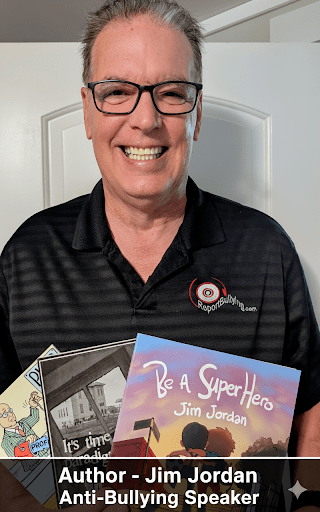
Featured Anti-Bullying Speaker
Jim Jordan — Bullying Prevention & Mental Health Speaker
Jim Jordan delivers grade-specific anti-bullying assemblies for U.S. schools, with teacher training and parent presentations available for a schoolwide approach. Schools can compare programs and contact the office to discuss audience fit, current pricing and availability.
Jim Jordan is a bullying-prevention and mental-health speaker for U.S. schools, with separate presentations by grade band plus teacher training and parent education options.
Frequently Asked Questions
What should a school do first after a bullying report?
Listen calmly, assess immediate safety, document according to school procedure, explain the next step and create a practical plan for the student's next class period or school day.
Should a student be required to confront or forgive another student?
No. Any restorative or accountability process must be appropriate, voluntary where required, and safe. Adults should not pressure a targeted student into a public confrontation.
Can schools support mental health without diagnosing a student?
Yes. Schools can notice concerns, provide predictable support, involve qualified professionals and follow district procedures without assigning a diagnosis.