
Questions Principals Should Ask Before Hiring an Anti-Bullying Speaker
A principal's interview guide with the most important questions to ask an anti-bullying school speaker before booking an assembly.
A speaker's website can show polished photos, testimonials and videos, but principals still need a short interview before making a decision. The right questions reveal whether the program is age-appropriate, whether students receive safe advice, how cyberbullying is addressed and what happens after the event. They also help schools separate a bullying-prevention program from a generic motivational presentation that happens to include a few references to kindness. The interview does not need to be long. Ten focused questions can tell an administrator whether the speaker understands student safety, school procedures and the limits of what one assembly can accomplish. Specific answers matter more than big promises.
What are the three most important student takeaways?
Ask the speaker to answer without marketing language. You should hear practical actions students can remember, such as safe bystander choices, trusted-adult reporting and not amplifying harmful online behavior.
If the answer is mainly about inspiration or changing the world, ask how that message translates into student decisions the next day.
How does the presentation change by grade level?
A credible speaker should be able to explain how examples, humor, pacing and terminology differ for younger and older students. Developmental adaptation should be part of the program design, not an improvisation on assembly day.
For schools with several grades, ask whether separate sessions are recommended and how the schedule can be organized.
What do you teach bystanders to do?
Listen carefully for whether the speaker presents multiple safe options or expects students to confront every situation. Direct intervention can be appropriate sometimes, but getting an adult, supporting a peer and refusing to join are essential alternatives.
The speaker should make clear that students are not responsible for investigation, discipline or handling dangerous situations alone.
How do you handle cyberbullying and group chats?
For middle and high school audiences, online examples should be current in concept even if specific apps change. Ask whether students learn about screenshots, reposting, group-chat behavior, evidence and digital bystanders.
The strongest answer connects online behavior with real school relationships and trusted-adult support rather than relying on scare tactics.
What happens if a student discloses a serious concern?
The speaker should not invite public accusations or attempt to investigate cases. Ask how they redirect a student to school staff and what they expect the school to prepare before the event.
A good answer recognizes that counselors and administrators own the local support process. The presenter can encourage reporting, but the school must receive and respond to it.
What follow-up do teachers and families receive?
Ask whether there are staff summaries, classroom prompts, parent resources or companion presentations. Follow-up does not have to be elaborate, but the school should have something concrete to reinforce.
Finally, ask the speaker to describe what they will not promise. A responsible anti-bullying speaker should not guarantee that one event will eliminate bullying or transform school climate without continued adult work.
Key Takeaways for Schools
Ask for practical takeaways, not slogans
Verify safety, developmental fit and disclosure handling
Choose a speaker who respects the limits of one assembly
Featured Anti-Bullying Speaker
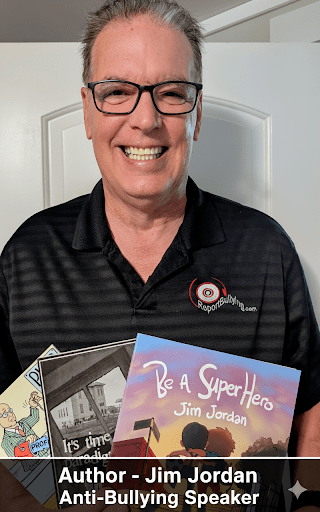
Jim Jordan — Bullying Prevention & Mental Health Speaker
Jim Jordan delivers grade-specific anti-bullying assemblies for U.S. schools, with teacher training and parent presentations available for a schoolwide approach. Schools can compare programs and contact the office to discuss audience fit, current pricing and availability.
Jim Jordan is a bullying-prevention and mental-health speaker for U.S. schools, with separate presentations by grade band plus teacher training and parent education options.
Frequently Asked Questions
How many questions should a principal ask before booking?
A short interview with roughly ten focused questions is usually enough to clarify program fit, safety, follow-up and logistics.
What is a red flag when interviewing a speaker?
Red flags include one identical talk for all ages, unsafe confrontation advice, public disclosure invitations or guarantees that one assembly will stop bullying.
Should principals ask about teacher follow-up?
Yes. Staff reinforcement is one of the main ways a school extends the value of a student presentation.