
How U.S. Schools Can Recognize and Respond to Relational Bullying
A practical guide for U.S. school leaders addressing relational bullying, social exclusion, rumor spreading and group pressure with consistent, student-centered support.
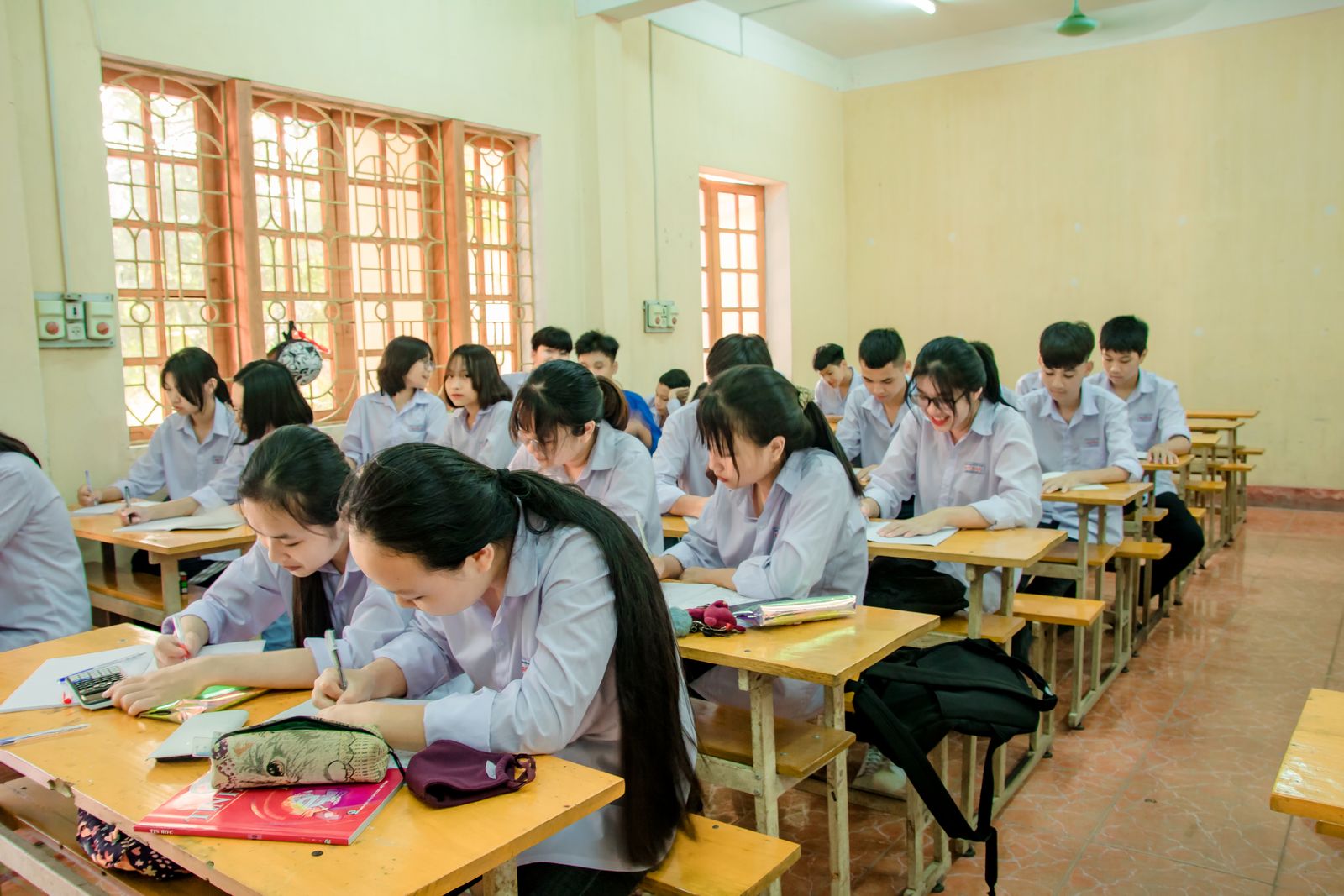
Relational bullying can be easy to miss because it may not leave a visible injury or happen in one dramatic event. A student may be repeatedly excluded, targeted by rumors, removed from group chats or pressured to turn against a peer. For U.S. schools, the response begins with noticing patterns and listening carefully rather than waiting for a single incident that seems serious enough.
Look for patterns across the school day
Ask where the student is struggling: arrival, lunch, recess, changing classes, the bus, practice or online spaces connected to school. Repeated avoidance, isolation or sudden changes in participation can signal that a peer dynamic needs attention. These observations are clues, not a diagnosis.
Teachers and supervisors should record concrete behavior, dates and settings according to school procedure. A pattern is easier to understand when staff compare notes responsibly instead of treating each event as unrelated.
Listen without demanding a perfect label
Students may not know whether to call what happened bullying, drama or conflict. They should not have to choose the right word before an adult will listen. Ask what happened, who was present, whether it has happened before and what the student is worried will happen next.
A calm response avoids blame and avoids promising complete secrecy. Explain the next step, including which staff may need the information to help keep the student safe.
Address the group behavior, not only one student
Relational bullying often gains power from an audience. Prevention may require supervising unstructured spaces, interrupting rumor sharing, reviewing digital conduct expectations and helping bystanders choose not to reward exclusion. Do not make the targeted student responsible for repairing the entire peer group.
Any meeting, restorative process or peer-support plan should be voluntary where required, age-appropriate and safe. Accountability belongs with adults and school procedures.
Rebuild belonging through ordinary routines
A student may need practical support returning to group work, lunch or activities. Offer predictable check-ins, a trusted adult and ways to participate without public attention. Teachers can use inclusive routines for everyone rather than singling out one student.
Review the plan after several days and again later in the month. Quiet behavior does not automatically mean the student feels safe or that the pattern has ended.
Turn the response into everyday school practice
A post, lesson or meeting matters most when students can recognize the same choices during an ordinary school day. Pick one or two actions from this guide and connect them to arrival, transitions, lunch, activities, advisory and digital communication. Staff should use the same plain language, point students toward the same trusted adults and know how to document a concern through local procedure.
Leaders can review the plan with teachers, counselors, supervisors and families without sharing private student details. Ask what is working, where students still feel uncertain and which handoffs are slow. Small adjustments, such as naming a backup contact or adding supervision during a transition, can make a support plan easier to use.
The school should set a follow-up date instead of treating a quiet week as proof that the problem is over. Check whether students can describe a safe next step, whether adults respond consistently and whether the affected student can participate in learning with dignity. Use those observations to strengthen prevention over time.
Key Takeaways for Schools
Track patterns across settings and time
Listen before asking students to define the problem
Use adult-led safety and follow-up plans
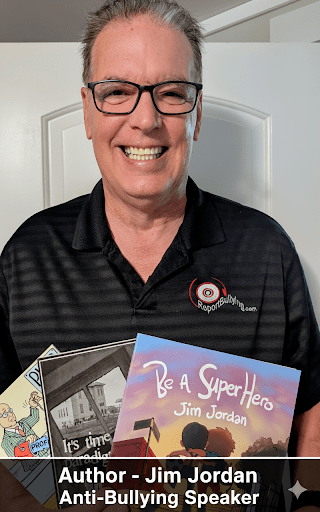
Featured Anti-Bullying Speaker
Jim Jordan — Bullying Prevention & Mental Health Speaker
Jim Jordan delivers grade-specific anti-bullying assemblies for U.S. schools, with teacher training and parent presentations available for a schoolwide approach. Schools can compare programs and contact the office to discuss audience fit, current pricing and availability.
Jim Jordan is a bullying-prevention and mental-health speaker for U.S. schools, with separate presentations by grade band plus teacher training and parent education options.
Frequently Asked Questions
Can social exclusion be bullying?
It can be when exclusion is targeted, repeated or likely to repeat and a power imbalance makes it difficult for the student to stop it alone. Schools should evaluate the pattern and context.
What should a teacher document?
Record observable behavior, dates, locations, people involved and the student's reported concerns according to district procedure. Avoid diagnosing or assigning motives.
Should students be required to reconcile?
No. Any restorative process must be safe and appropriate. A targeted student should not be pressured into a public confrontation.