
Why Bystanders Can Change Bullying in U.S. Schools
Learn why changing bystander behavior can help U.S. schools reduce bullying, empower students and create a safer, more positive school environment.
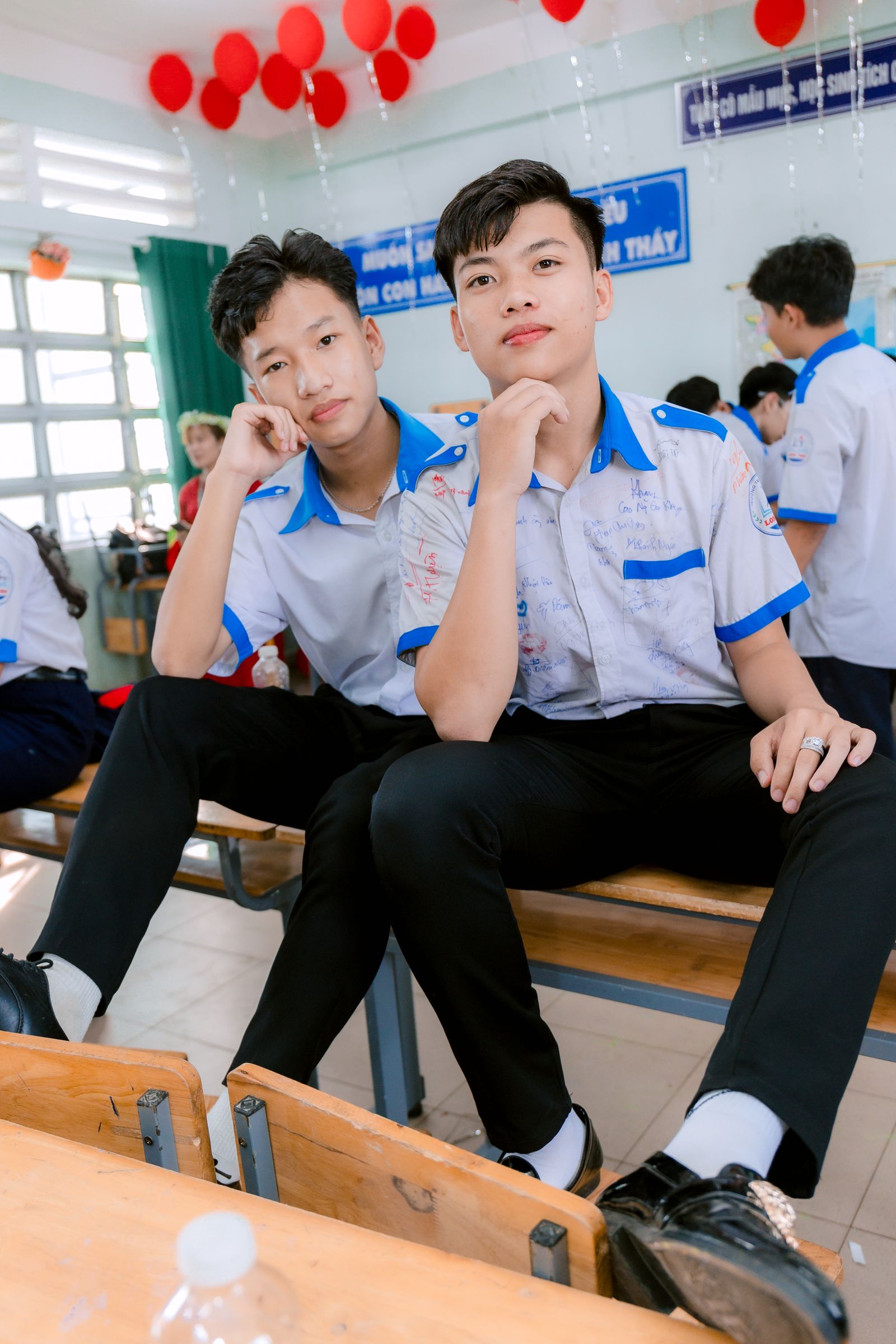
If we want to reduce bullying, we cannot focus only on the student doing the bullying and the student being targeted. We also need to change the behavior of the students watching.
of U.S. high school students reported being bullied on school property in 2023.
Bystanders are present in approximately 80% of bullying situations.
When bystanders intervene, bullying stops within 10 seconds 57% of the time.
Bullying Is Not Just About Two Students
When bullying happens in a hallway, cafeteria, classroom, school bus, sporting event or online conversation, other students frequently see what is happening. Those students matter.
They can laugh. They can encourage the behavior. They can record it. They can share it online. They can remain silent. Or they can help change the situation.
That is why teaching students about bystander behavior should be an important part of bullying prevention in U.S. schools.
The Audience Can Influence the Behavior
Bullying is behavior, and behavior can be influenced by what happens around it. Imagine a student humiliating another student while twenty classmates stand nearby. If students laugh, gather around, pull out phones or encourage the behavior, the student creating the problem receives attention.
Now imagine the same situation when nobody laughs. One student walks over to the person being targeted. Another student gets an adult. Someone says, ‘That's enough.’ Other students walk away instead of providing an audience. The entire social environment surrounding the behavior has changed.
Change the reaction of the audience and you can change the environment surrounding bullying.
From Bystander to Upstander
Students should never be told to put themselves in physical danger. Becoming an upstander does not mean fighting, threatening another student or trying to handle a dangerous situation alone. It means understanding that there are safe ways to respond.
1. Do not reward the behavior. Do not laugh, encourage, record, repost or share humiliating content.
2. Support the student being targeted. Stand beside them, walk with them, include them or simply ask if they are okay.
3. Speak when it is safe. Sometimes a simple statement such as ‘Leave them alone’ can change the social reaction around the incident.
4. Get an adult. Find a teacher, counselor, administrator, coach, bus driver or another trusted adult.
5. Report serious behavior. Students should understand that getting help when someone may be harmed is responsible behavior.
The Question Every Student Should Be Asked
Schools often ask the student responsible for bullying, ‘Why did you do that?’ That is an important question. But another important question should be asked of everyone who witnessed it: ‘What did you do when you saw it?’
Suddenly bullying prevention becomes relevant to every student in the building. Students begin understanding that they have choices. They can encourage harmful behavior—or help stop it.
A Safe School Is Also a More Motivating School
Students need to feel comfortable participating in class, making friends, joining clubs, asking questions, speaking in front of classmates and trying new things. Fear of embarrassment, exclusion or harassment can make those everyday activities much more difficult.
Bullying prevention therefore should not be viewed only as a disciplinary issue. It is also about creating a school environment where students feel they belong.
When students see classmates supporting one another, reporting dangerous behavior and refusing to reward cruelty with attention, the expectations of the school begin to change.
Teach Students Exactly What to Do
See it. Recognize bullying, humiliation, intimidation, exclusion and unsafe behavior.
Do not feed it. Do not laugh, encourage, record or spread the behavior.
Support. Let the targeted student know they are not alone.
Get help. Tell a trusted adult when someone needs help or may be unsafe.
Bullying Prevention Needs More Than a Poster
Most students already know adults do not want them bullying one another. What many students need is practical instruction about what to do when they witness it.
Schools can role-play situations. Teachers can discuss safe intervention. Assemblies can challenge students to think about the influence of the audience. Administrators can establish simple reporting procedures. Staff can consistently reinforce positive student leadership.
The message should become part of school culture rather than something students hear once and forget. You do not have to be the person being bullied to have the power to make a difference.
The Goal: Change the Mindset of the Crowd
One student may start the behavior. But an entire group of students can influence whether that behavior receives attention, encouragement, silence or resistance. That makes bystander education one of the most important opportunities available to schools.
Teach students to recognize bullying. Teach them safe options. Make it easy to ask adults for help. Encourage students to support one another. Most importantly, teach students that what they do when bullying happens matters.
When the audience changes, the environment surrounding bullying can change too.
“You don't have to be the person being bullied to have the power to make a difference.”
Key Takeaways for Schools
See it
Do not feed it
Support and get help
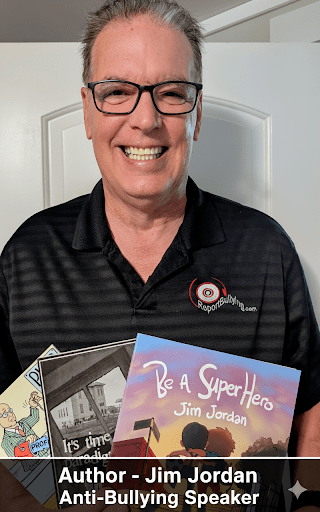
Featured Anti-Bullying Speaker
Jim Jordan — Bullying Prevention & Mental Health Speaker
Jim Jordan delivers grade-specific anti-bullying assemblies for U.S. schools, with teacher training and parent presentations available for a schoolwide approach. Schools can compare programs and contact the office to discuss audience fit, current pricing and availability.
Jim Jordan is a bullying-prevention and mental-health speaker for U.S. schools, with separate presentations by grade band plus teacher training and parent education options.
Frequently Asked Questions
What is the difference between a bystander and an upstander?
A bystander witnesses bullying. An upstander chooses a safe response, such as refusing to encourage the behavior, supporting the targeted student, getting an adult or reporting the concern.
Should students confront someone who is bullying?
Not when confrontation may place them in danger. Schools should teach several safe choices, including moving away, checking on the targeted student and getting a trusted adult.
How can schools teach effective bystander behavior?
Use realistic role-play, explain specific safe actions, make reporting procedures simple and reinforce the same expectations through classrooms, assemblies and staff responses.